Insights
Unsere Expert:innen und Thought Leader geben Einblicke, analysieren Trends und zeigen Lösungsansätze zu Themen, die Wirtschaft, Infrastruktur, Energie und Umwelt nachhaltig verändern.

#
Wie kann der „Nordic Way“ die globale urbane Transformation inspirieren?

Article
10. März 2026

#
Nachhaltige Rechenzentren: Leitfaden für Kohlenstoffneutralität und geringere Umweltbelastung

White paper
23. September 2025

#
Vier Lehren für die Entwicklung resilienter Schienennetze
Article
21. September 2025
Nach Sektor durchsuchen

Energie

Finanzen

Gesundheitsbranche

Industrie

Real Estate

Regierungen und öffentliche Hand

Ressourcen & Abfall

Technologie

Verkehrsinfrastruktur

Wasserwirtschaft

Thema
Wenn wir die Art und Weise, wie wir leben, uns fortbewegen und miteinander in Verbindung treten, neu gestalten, können wir sichere und inklusive Gemeinschaften schaffen. Erfahren Sie, wie wir Gesellschaften gestalten können, in denen Menschen und Natur sich gleichermaßen entwickeln.


Zukunft nachhaltig gestalten – mit dem Wissen unserer Expert:innen
Good afternoon for those of you just joining now. We we give it just another, two minutes to give people time to log on. We're probably starting two minutes past. And apologies if I, break out into bouts of coughing, And, I probably sound a little bit congested, but it's that time of year, unfortunately. But it's better to have it now, I suppose, than during holidays. So just, be patient if I do break into a bout of spluttering, but I think I'll I'll manage it for thirty minutes not to do so. Just give another minute, and then we'll get cracking. Okay. I think let's start. Welcome to the next thirty minutes where we'll be discussing resilience in twenty twenty six with a particular emphasis upon the energy and transport sectors. It's a complex subject matter, and I think one that is gaining relevance day by day, particularly after a a very volatile twenty twenty five. Just a note on this picture, when I was wondering what picture to choose to represent resilience, should it be a picture of a risk or a hazard, but ultimately should be an image depicting a well functioning system. Because ultimately, that's what a resilient system is. And I think this picture illustrates a well functioning system. Today, I'm joined by Ask Brüel, who's global head of energy and utilities, and Friedeman Brockmeyer, who's global head for transport infrastructure mobility. It could be about ten to twelve minutes-ish of a presentation from me, and then, fifteen, twenty minutes depending, on a discussion with both ask and freedom and from their respective sectoral expertise, what they believe to be the key issues for 2026 when looking at resilience. But jumping in, I think when we look at what we mean, the last twelve to eighteen months has been hugely volatile. The array of incidences, of issues, the complexity of risks, the introduction of new risks in a way, is at a level that I don't think that I've witnessed in my professional career, and I don't think that's if you'd ask me eighteen months ago, what I've been talking about e regulatory transition as a risk, supply chain, that that will be a trade war, resulting from, Trump's White House that, you know, we would have an escalation of sabotage to the extent that we do, that climate risk would be escalating to the to the extent that we are that they are. So we end up at a level of volatility that I don't think, we've experienced, and I think this graph beautifully illustrates this. Now I dug this out a few months ago. You can see the source in the bottom right, and I think it explains where we are today as an economy and a society. And it also it explains some of the anxieties that we've been feeling. All of these issues that are quickly rifled through developing and evolving at a scale that we've never experienced before, a, individually, but most importantly, as a collective, Multiple spinning, spinning, spinning. And and as a result, there's no sign of this actually changing as we move into twenty twenty six. Hence, the whole realm of resilience, research and a organizational integration is moving a to a level of importance never seen before. I also think though that we all have a fair idea of what we mean by resilience, but we also all give it a slightly different definition depending on what perspective we come from. Now if I was to walk down the corridors of my office here in Ramboll and stop ten random people, I would get ten different answers. Yes. Similar, but also slightly different. So what I would like to do just next minute is just to give a layered introduction as to how I and how we describe resilience and how I and we describe resilience fits for the 2026 agenda. So, of course, you look at an organization, you look at the hazards, but hazards only becomes a risk based on likelihood and magnitude, exposure and vulnerability, and then do you have the risk. However, the organizations themselves in today's world are highly complex and intricate. And I feel when we look at the organization, we need to look at it to the prism of multiple organisms. And we're looking at how resilient an entity is or an organization is. We need to examine the organization through the prism of the different organs. So in this instance, have governance, physical assets, digital systems, operations, supply chain, employees. Each will behave differently to the risks. Each will have different levels of exposure and vulnerability to the risks, and so each needs needs to be a evaluated independently, but then also collectively. However, it doesn't stop there because I think the evolution of resilience expectation, I wouldn't even say resilience thinking per se, but actually expectation, is that there also needs to be a greater understanding of the recipients of the cascading risk because that's ultimately why resilience is so important particularly for critical entities is the recipients of the cascading risk. So that can be the public and households, other critical infrastructure, essential services, public authorities, industry, municipal services such as schools, universities, etcetera. But however, there's another layer that then is a little bit missing as well and that's interdependency going back up. So if this was the transmission system operator, that transmission system operator relies on other entities to feed itself so that does that interdependency between them. So I think when we think about resilience, we need to see the organization as a complex entity. We need to run diagnostics via the different elements and organs of that entity. We need to understand that their vulnerability and exposure will be different to different levels of hazards, but also probably most importantly leading into 2026, the dependencies, the recipients of the cascading risk and indeed interdependencies becomes more pronounced with respect to its importance. That's something that we'll come back to later. Also, disrupted travels and I think the narrative around resilience and how we explain it and how we describe it is going way beyond a particular technical disturbance which will affect that particular organization, but then there's a ripple effect out into society. And particularly when we talk about critical infrastructure, understanding the cascading risk throughout the economy, our society, but also to be able to quantify and qualify the impact as we as we move out beyond the core functions of a particular asset or a entity becomes really, important in understanding its overall societal obligation is a good way to describe it. So when we're looking at risk, a, yes, v, the organism and its relationship with the hazards above us, but also how its inability to operate can ripple out true society is really, really important. Now I have four rungs here. You could quite easily have five. So but this becomes really important particularly when we're talking about critical infrastructure on and with respect to the critical entities, resilience directive, which I'll touch upon in a minute. But a question that I'm asked continuously is okay. We you know, as an organization, we're continuously assessing our exposure to different hazards. We're quantifying risk. We're analyzing our relationship with those below us and those above us with respect to dependencies and interdependencies, but it's still not quite clear what does good look like. What is a mature entity with respect to resilience and what indeed is an immature entity? But ultimately, when I am asked now with respect to what do I mean by resilience, as apart from going along the more traditional line of the ability to bounce back and bounce back stronger, I actually think it's epitomized in the ability to sustain critical services under stress, I.e., performance. That to me is resilience in 2026, but, of course, there's other elements. The credibility issue is huge. Culture. The people's ability to respond and operate themselves under stress, the ability to anticipate, to adapt, etcetera. So it's it's quite a multifaceted overview of what it is. But still, I think, for me trying to understand where companies sit, we need to put them into categories. Indeed, there's one missing over on the left, what I would call developing. So reasonably new entities, be it defensive, you've adaptive, and you've strategic. I think most entities would sit somewhere between the gray and the blue, lesser solely in the blue, and very, very few over to the right under strategic. And it is the ambition, I think, in 2026 to move from defensive to certainly to adaptive and even some that already adapt to to move to strategic is the ultimate goal. But still, the question would be asked, how do I measure it? And I'll go through these quite quickly. This would be sent to you afterwards, by the way, so don't be trying to to zone too much into the text. But, ultimately, we need to assess the entity via its organs, as I said earlier. So we need to understand a its governance structures and assess the maturity of that. We need to to look at its assets, physical and otherwise. We need to review its processes to be able to operate under stress, its crisis readiness, its continuously planning. Cyber, of course, goes without saying, but I think we need to assess its relationship with its suppliers, with its buyers, the interdependencies dependencies. Number six is what I would call resilience intelligence. Is the is the entity mature in how it thinks about resilience and anticipating it and predicting it? And, ultimately, how mature are its people to respond? Now when we're assessing maturity of an entity, we'll need and indeed, by the way, you could have an eighth or a ninth or a tenth depending on how complex your organization is here, but it's via these prisms that we need to assess how mature one is and how and then how how far do they have to go to improve to particularly meet the adaptive middle box and never mind the strategic box. So a very brief introduction just now into what it is. Importance to look at the organization as a series of organs that needs to be diagnosed almost individually as well as the collective, understanding what does good look like and what kind of definition do you put on that. But, of course, as as we move into twenty twenty six, the critical entities resilience directive would begin to take hold. Now some of you may be aware of this, but I would imagine a great number of you are not. Now to my most recent understanding, this has been transposed in pretty much all Northern European countries by now. I'll come to some dates in a second. But this is essentially what the critical entities resilience directive does. Everything that I talked about is now puts into a a legal framework. The definition on the left, critical entity meaning a public or private entity that has been identified by a member state as providing one or more essential service, the disruption of which would have significant consequences for public safety, security, health, or the economy. And here you can see that there's eleven sectors broken down quite specifically. And at the back of the directive, there's an annex that gives a very detailed breakdown of each sector. So transport, ports, rail, roads, airports, etcetera, etcetera, etcetera. Same goes with energy. There's multiple different types of of entities that is that's specifically categorized. This is what it does. Mandatory risk assessment, resilience measures planned, financed, and implemented, governance and accountability structures clearly defined and communicated. Excuse me. And ultimately, it will be supervised. It will be audited, and it will be enforced. Quick idea of dates. Should have been transposed in all EU countries by now. In January, you'll see your national governments, publish strategies and then the final list being published in July. However, I think eighty percent of those that would be on these lists will know that they're on them now. And going back to what I mentioned earlier about understanding how mature you are, such assessments take time. So you will find probably in early q one that a large number of entities will start moving into the preparation phase to to truly understand what this directive means. Now that was a a very, very quick introduction to a complex matter in fifteen minutes, which was exactly what I had. So what we'll move to now is some of the questions with ask and Friedemann. I'll just go back to my screen. Gentlemen. Thanks, Patrick. Welcome. Let's start with you, Friedemann. What do you think will be keeping transport leaders awake in twenty twenty six with respect to resilience? I think that, what will keep them awake is that we are in a situation right now in, as in most of Europe, at least, where we are running our current performance versus still sustaining, is but it's more than ever to go to the limits of finances, to the limits of assets, to limits of staff availability. So we are already running a system which is very close to elements. And if something happens on top, then we can imagine, we can see relatively shortly massive breakdowns or big operational disturbances. We can see that all over in the rail industry. We can see that at airports. There have been numerous examples in the last couple of months that small failures, technical failures lead to a complete disruption of transport operations. And Ask, from an energy perspective, how would you see 2026? What would be keeping the leaders awake at night? Thanks, Patrick. And I would just, build a bit on on on what Friedemann has said. I think, I mean, we have seen a threat picture that has significantly changed and evolved and will do so continuously. And to some extent, happened way faster than we can actually keep up and regulation to some extent as well. I think we'll come back into that later on. But I think what really pops to mind first for me is how do we cope as an organization with this rapid change and evolving threat picture? How and what if multiple elements happen at the same time? What you mentioned here, Friedemann, well, what if things come on top here? How do we continue to deliver our critical service, whether that being energy or transport? And that means really to understand what threat picture look like and from a company perspective, but also the triggers and how those element cascade across the system and supply chain. And then I would say, if I may, Patrick, please interrupt me if I speak too much but also navigating regulation. I think, again, we have you mentioned some new regulation coming out, frameworks at an EU level, at a national level and national security requirements. I mean getting a grasp of, to some extent, overlapping and to some maybe abstract regulation, what does that actually mean? Concrete, you mentioned also, Patrick, early on, what does that actually look like in practice? I think that is something that is is quite a big thing. And how do we then implement that into our organization? But and at the start, I show that volatility graph. And if somebody had said to me eighteen months ago, you know, that it would be like that, you'd have said that's crazy. From your perspectives, let's start with you, Friedemann, what have been the biggest shifts in the last twelve months? Why has resilience gone from, yes, being important to now being, invert the commas, mission critical in the last twelve months? What has changed so much? I think what changes with geopolitical circumstances and it's now a different mindset in public opinion and there's no political, it's in a political observation. I think we are already struggling for for, in some, at least in some geographies in Europe, already for more than a decade about different problems we have on asset deterioration, on limited budgets. So I would say the topic as per se is not new, but given the fact that we now have even the geopolitical situation, it's not new. It's already at least under the table since two thousand fourteen. But since we have now these minor attacks, the system minor attacks, have some drones on Copenhagen Airport. We have we have cables which are burning somewhere at the s train system in Berlin. All this happens now and leads to these disruptions, and this gives this gives the management new attention. So I would say that we are now what we can observe is we are talking with the boards of directors, which is changing. In the past, they had plans for, let's say, for some very unlikely potential threats, like a terror attack, for example, on a metro system. All of the big operators have that plan if something happens, like in Madrid or London. But now we are talking about these everyday threats and this is changing, and we are not talking any longer about what you've called the protective, resilience. We are talking now about adaptive resilience, how long we need to replace something. Yeah? Because we are talking about consumables sometimes. You can easily destroy consumables and to have a big problem in your transport system. And but what do we need to be readied? So in the future, it's much more about business continuity, operational continuity, how long do we need and how we have to communicate. I think this is still something missing in most of, at least, of our clients. We need proper communication plans, because if you have an asset failure, if you have an operational problem, this is not an issue. Everybody will understand if you can communicate in the right way and if you can communicate in a in a way of empathy and to to propose maybe a new date where we will be fully operational again, and please adjust your plans, your travel plans, whatever. That's that's that's really missing yet, but I'm also looking forward that we will see that in 2026, that we're becoming more resilient when it comes to this. Just being conscious of time, I'll jump to 2026 with you, Ask. And the energy sector is complex. Energy utilities by themselves are complex. Where does one start? What would you say to those that are wondering where to start and what not where to start, what to prioritize considering that you can't do everything quickly? And where do you think the energy sector should be prioritizing? And even that is a broad question considering the scale of the energy sector. Absolutely. No. Thanks, Patrick. And I would probably start with saying, first of all, we need to understand that this is a game changer and it does affect everything that we do and how we work. When we look across the energy space, I would start with saying we do see quite a significant gap from where different energy companies are today, from the smaller companies with a single champion that are driving the agenda to the big global companies with a full preparedness staff. So I think, again, also what to prioritize is different. I would say and it comes partly back to sort of your six key elements, what you mentioned earlier today, but really looking at yourself, looking at the company, having a self assessment, a gap assessment, where are you as a company today, actually understanding where you are, where you're strong and where you have gaps. Then I would say it's about factoring in resilience in your planning. And Friedemann, you mentioned this, I would say, partly before. We see, I would think, to a large extent, still planning being based on historical threats. So actually, factoring resilience, the new threat landscape that we see and factor that into your planning and this comes back to a mindset that is forward looking rather than looking at what we have seen previously, being able to anticipate and look forward. And then I would mention that's the last element. No, sorry, if I can two. One is Then will skip one. Then skip one. I will jump straight to that we do see staff awareness improving, but we don't see security really embedded in all companies at day to day levels. Really work with the organization and the mindset changing of mindsets. This is a lot about people and mental adaption it takes time and technology alone doesn't change this. We need to train our staff and have the right mindset in order to be able to both respond under stress and also make the right decisions. Friedeman, assuming that there's a lot of commonalities, what would you see as unique challenges in twenty twenty six for the transport sector? You know? So let's say a lot of this stuff like people and so on, that's a common issue across all any type of sectors. What would you see as the in the transport sectors as unique challenges and those priorities in the transport sector? I mean, I I see I see two. Let's say one and a half. I think one is still staff because staff is something which is very special for transport, opposite to all other network industries. We still need people who can drive trains, lorries, or fly airplanes or sail ships. So this is completely different to energy, water, or other utilities. And we have to to train these people. We have to take care about them, that they are available. Also, it's not only about protecting physical infrastructure, it's also about protecting people. That's super important. I think this is a a main difference to all of us. And I think another one I think this is also very special because we have so many actors in the transport industry. We have to know that the whole regulatory setup for our industry, that's the same for energy, has been built up by the European Union from the beginning of the early nineties. And so it has been set up after cold war. Now we have CER and NIS as two directives. These are the first one, the first two, who are not assuming a perfect world. So all our existing technical and economic regulation is based on peace forever or the end of history. And this is something which will not fit and is not part of the transport contracts we have or the public service obligations. So if we want to implement CER and NIS2 into the operators, into the infrastructure managers, we have to rework a lot of these contracts which are based on this existing regulatory framework from the early 90s. This will be also a very big challenge, especially because we're talking about a lot of subsidies, which is differentiating the transport industry from others. This will be a big, big, big headache for the transport industries and the authorities who are responsible. I'm conscious of we're already as the fastest thirty minutes I think I've ever expensed expressed in a webinar. Any final question to you both. It's not what you asked in any. With respect to resilience and resilience, critical infrastructure in particular, as we move into twenty twenty six, are entities feeling apprehensive, excitement, fear? How would you gauge the sentiment, of entities within your sector as you move into next year? Well, that's strong words. I would say maybe not fear, but definitely, an alert, an awareness of, I mentioned before the threat picture that is has evolved, to some extent, faster than we can follow and that regulation can. So definitely alert on that point. And you can also argue that we should be alert. But personally, I tend also to be positive. I think we do see a lot of good movements and a lot of good initiatives. And I would say, the right priorities and collaboration, which was one of my points before, Patrick, collaboration is key. I tend to be quite positive that even though we have to move faster we have maybe not before, but at least fast, I tend to be positive, Patrick. Last two minutes to you, Friedemann. Think that really depends on country. So I think in the Nordics, of course, there is a high load, and also in Central Europe and Eastern Europe, there is a very high load. And also sometimes I have a strong feeling that there is some excitement about it because I like to discuss these topics. But in general, if you're coming more to the south and to the west of Europe, it it is it's changing. Yeah. We have heard about it. We've read about it in the newspaper. Oh, yeah. We had a discussion about it on the last conference. But this is really effective for us. Sometimes we also see ignorance. I think this will change because the threats are coming closer. I don't expect it for France, but we are becoming closer and closer to Central Europe. So in countries like Germany, Austria, Switzerland, where the awareness will rise in the next couple of months, especially if the list is available to everyone and the notifications have reached the companies when it comes to the implementation of directive. And therefore, I would say there will be awareness and what I really hope for 2026 is that the operators, the players in these industries are using this as a challenge or as something that they really have to change the system, not something that they have to be compliant with. Because what we have learned also from other directors from the European Commission or from the European Union is that they want to be compliant and that's all. But this is, as you have also mentioned, Patrick, this is a strategic challenge, and they have to be resilient in the future because these are real world threats, yeah, which affect daily operations, and that's something I hope for 2026. Okay. We're three minutes over time. Lesson learned. We need more time. So we'll be that'll that'll be a first lesson learned from this webinar. Thank you all for taking the time out of your day to join for this quick thirty minutes. Thank you to Friedemann and Ask for your insights. And I think you can rest assured all of you that you'll be hearing more from us in the new year around this topic. Thank you very much. Thanks, everyone. Good afternoon. Thanks, Benoit.
Resilienz 2026: Was Führungskräfte aus Energie, Verkehr und Infrastruktur wissen sollten

On demand
33 min
Hello, and welcome to the Rambo webinar series on PFAS enterprise risk. My name is Scott Hader. I'm a principal at Rambo. Before we get started, we're just gonna touch on a few housekeeping issues. This webinar is being recorded. So following the presentation, you will receive an email with a link to the recording and also a link to, the slides. So you have a copy of the slides. If you have comments or questions, during the presentation, everyone on entry is muted, but you can add your questions to the comment box on the lower right hand corner of your screen. And we've saved some time at the end of the presentation to go through your questions. If we don't get to your question, we will send out a Q and A with our responses as an additional link with the presentation following this webinar. And finally, this is the first of a three part webinar series. All three webinars focus on strategies for assessing PFAS enterprise risk. This first one is a general overview. The second one will focus, which will be on February nine, will focus on facilities and operations. And then the third presentation in the series will be occur on March ninth, and it'll focus on products and supply chain. So we'll take a quick look at the agenda here. So we'll start off with, just a regulatory overview for PFAS, and then we'll dive right into PFAS enterprise risk and talking about strategies for assessing the enterprise risk. And then we do have some case studies. And again, we'll, we'll, have a time for q and a, following the presentation. So we have three presenters today. Both John Cusperson and Jana Pattari, serve as the North America PFAS team leaders for Ramble. Mister Cusperson is a principal with Ramble, and he has over thirty four years of environmental consulting experience. And his sole focus during this past eleven years has been PFAS. And during this time, he has supported hundreds of projects across North America involving various PFAS issues. Doctor Pattari has more than twenty years of professional and academic experience in environmental remediation, fate, and transport of contaminants. And finally, doctor, Brian Drollette, is an experienced environmental forensic scientist specializing in complex environmental chemistry problems. From contaminant site assessment, emerging contaminant liability response, cost allocation, and more, he advises clients on risk mitigation, regulatory compliance, and litigation matters. So we'll hand it off to John. Good morning, everybody, and welcome. Glad you're joining us for this interesting topic today. I'm gonna stop start by giving just a backdrop that'll be probably a review for some people, but but necessary for the slides going forward. So here is a timeline that we put together, and this is not completely comprehensive by any means. And in here, you will notice some highlighted in red and some highlighted in green. The red is really focusing more EPA actions and state criteria, and the green's more pro product related. So, you know, going back, there was the UCMR three where that samples large municipalities, water supplies across the country. And then based on the results of that, determine what our new emerging contaminants that they're going to focus on. And during that process, they elected that PFAS was not one of them. So a lot of states were made to deal with this on their own in this time period with issues in their states, largely DOD sites and other large industrial sites. And then with all of that, EPA came out with the lifetime health advisories, which was seventy parts per trillion for PFOS, PFOA, or a combination of the two. And then right after this too is when we first started to see the transition into PFAS and products where California had materials on their prop sixty five list. And then shortly after that, you know, Washington banned a triple f and PFAS and food packaging. And through the course of this, you'll see that there were many periods of time where states kinda continue to evolve. So around two thousand twenty is when we first started seeing promulgated drinking water criteria in several states, not all of them by any means. And that was the path for, you know, trying to get some semblance of what was gonna be acceptable. In two thousand twenty one, the EPA came out with the piece PFAS strategic road map. You know, the previous administration you'll see over these four years made a lot progress with EPA. And this got into all sorts of compliance series too, you know, with TRI, you know, with their de minimis definition changing. You know, we saw Tosca as well continue to evolve. But we saw EPA finalized and promulgated the MCL's maximum containment levels for six PFAS. And also during that time, we saw that the hazardous substance designation was made in CIRCLIF for PFOS and PFOA. That has a lot to do with property transactions and also Superfund. So when we skip a little bit ahead, we also now see with the new administration some rapid changes and some rollback on PFAS regulations. And one of the proposals out there already is to rescind the MCLs for four of the compounds, leaving just PFOS and PFOA. And also during this time, you know, Maine made the first step in a ban for PFAS and biosolids. Many states now have varying kinds of rules and regulations on concentrations that could be land applied, and we continue to see states that are putting full out bans on PFAS and products. So what is what do we what do we know looking forward in this environment? I think there's a lot of uncertainty, and we don't know how the EPA is gonna respond going forward under the new administration. We do see that states are continuing with their regulatory enforcement, and that's expanding as time goes on, as they're starting to realize that EPA may not be taking the lead again, and they need to step back into that role. We're obviously gonna see the product bands continue. That's becoming a very large issue for for many of of our clients. And the last thing is biosolids management too. That's definitely a tricky topic that we're not sure how that's gonna be held. So I wanted to go through some ways that the regulatory agencies are identifying facilities. The first and and easiest is, you know, they're looking at targeting industries that are kinda known for having PFAS in in in their prod products. And, also, some states were doing PFAS use surveys like New Jersey, and they're asking a whole litany of questions of, is there any PFAS in the materials, in your process, you know, how you handled it, and that led to them then beginning to enforce sites. With wastewater, we're really starting to see now that there is discharge compliance to the wastewater treatment plants and what levels of PFAS they will allow. Wastewater treatment plants, many of them also can set their own discharge levels. And this is also leading then to these municipalities looking upstream and identifying industrial sources. You know, Michigan had done that. And last I looked, it was over three hundred and fifty industries that were identified. Stormwater continues to be an issue. And where stormwater really becomes an issue is in states that do have water quality criteria. Many do not yet. But we're also just seeing in general that many states are asking for PFAS to be added to the sampling even though there's not a criteria. And once you have it in there, that may lead to them asking questions to assess or reduce. And lastly, drinking water, obviously, you know, there's been a big push to protect both municipal and facility industrial facility drinking water supplies, and they have been putting requirements out to have those sampled. And lastly, we're seeing many lawsuits come from cities or municipalities going back to industries that may be discharging to their water supply. In all of this, you know, the identification of this in any of these ways or others, you know, that is the door opener for the agencies then to require things such as, you know, PFAS sampling of discharge points or monitoring well networks you have, assessments for PFAS investigation, and even into remedy. So what are some states doing to address PFAS? First is we're seeing standards, and and that could be in many different ways. That could be a criteria. That could be an action level or notification level. And we're seeing the soil criteria over the last number of years being rescinded from a lot of states. There are very few states that have PFAS soil criteria, and many of them are focused on direct contact. Statewide sampling events. We've all heard this and seen this. You know, large municipalities across the country within a state are all being sampled by the state municipal water wastewater treatment plants. They are also being sampled by the states, especially it's in states where there's discharge criteria. And we're also seeing background concentrations. Many states are taking attempt at this. And once they find this, you know, if they find hotspots, they're kind of looking at who's responsible for that. Then we'll talk about a triple f. And, you know, we we have seen a triple f use in training or testing prohibited, and many states are banning the use of of a triple f. And we're also seeing states with collection programs to collect up foam from municipalities such that it does not enter the environment. Obviously, we're seeing two. We talked about our product restrictions. Part of the issues with that is there there's such a broad definition of PFAS, which Brian will get to later. And what we're seeing is we're seeing a lot of bans on consumer products unless there's an un quote, unquote, unavoidable use, where there are some things products we've made that cannot function without PFAS at this time. So they're looking for replacement technologies. And lastly, we're seeing a lot more litigation and enforcement. We're seeing consent orders in, many states right now, either from the state or the municipalities. But typically, these are being sent to sites where they're not moving forward quick enough or there's a disagreement what who's responsible for what and and moving forward. And we're also seeing a lot of that, deal with natural resource damages. So with that, I'm gonna turn it over to my colleague, Yana, that's gonna start talking about enterprise risk. Right. Thank you very much, John. I appreciate that. There are several potential risk implications that arise from the increasing regulatory scrutiny on PFAS that John just described. These include regulatory and compliance risks, business and financial risks, stakeholder reputational risks, operational risks. There may be risk associated with mergers and acquisitions, and then finally, litigation risks. And I will address and talk a little bit about all of these in the following slides. In terms of the regulatory and compliance risk, as John mentioned, PFAS use emissions and discharge and disposal are increasingly regulated. Those regulations may lead to request to sample for PFAS or to assess PFAS use at facilities. If PFAS are found, facilities may need may be required to further characterize, mitigate, or address PFAS in their discharges or already present in the environment. And then the variable global federal and state regulations may also be challenging from compliance perspective in having to keep track of different requirements and associated associated timelines. In terms of operational risks, operational or supply chain disruptions may lead to operational risks. Also, for example, in the face of the restrictions on the PFAS on the use of PFAS materials, companies may need to find alternatives for or stop using PFAS containing materials altogether. That may then affect product formulations or manufacturing processes or even locations where manufacturing is occurring. There's also voluntary phase outs that are happening and market pressures that may affect the availability of PFAS materials and products potentially also causing disruptions in the supply chain. The new replacement materials may need to be requalified or approved, which may also lead lead to some delays. But there's also a potential for regrettable substitutions. What is replacing PFAS may also have harmful effects. In terms of mergers and acquisitions, both property and business transactions will include and do include now a focus on PFAS. As John mentioned, because of the CIRCA hazardous substance designation, PPOS and PFOA are now routine parts of phase one assessments in property transactions. For business transactions on PFAS, varying definitions of PFAS may be scrutinized. And based on our experience in supporting these types of due diligence assessments, there are number of key questions that the buyers are asking the target companies do it during due due diligence. And these include, for example, what is the target's awareness of PFAS and associated regulations? What is the target's knowledge of PFAS in historical or current operations and then potential pathways of release into the environment? And what are any activities or status of activities defining replacements for PFAS? So there's also business and financial risks. So companies may be held liable for environmental impacts from historical or current use of PFAS leading to potential legal and cleanup costs. Those associated liabilities may be large enough, may be large, and may even lead to potential business closures or bankruptcies. Also, addressing PFAS contamination can be costly, may require sophisticated technology and long term efforts. And in some cases, cleanup periods for PFAS can be decades longer than for legacy contaminants, mainly arising from those very low thresholds that we have for PFAS. The stakeholder concerns and reputational risks are really arising from increasing awareness of PFAS and potential health impacts. As John was describing, there are now investigations and reports of detections of PFAS in the environment and consumer products. For example, through the state led drinking water sampling programs or publications on PFAS in consumer products. Also, potential or perceived lack of regulation of PFAS may increase stakeholder stakeholder concerns. And then lastly, of course, as John mentioned, there's always the litigation risks. Businesses may face lawsuits from states, communities, individuals, or organizations that are affected by PFAS in the environment. And in our experience, we we have supported some of these some of these litigation from the technical perspectives. There are variety of lawsuits that we've seen taking place. For example, natural resource damages, product liability, cost recovery, or toxic torts. And, hopefully, the the last webinar in our three part series will dive a little bit deeper into these litigation risks. With that all being said, not all of these risks will be relevant to all industries. So your company's risk profiles is going to be very much specific to your operations, the processes that are being used or products or raw materials that are being used, where your markets might be, and also like locations where the facilities are present. Looking proactively into PFAS risks can help companies to reduce potential PFAS liabilities in the future. Also, the proactive assessment can help improve business business operations, including future proofing them. And that may be relevant in the face of the voluntary phase outs of PFAS containing materials or the PFAS restrictions at various jurisdictions. Addressing PFAS may also be important in terms of aligning with ESG or sustainability goals that a company may have committed to. And then lastly, addressing PFAS proactively may be a way to increase trust with stakeholders. And with that, I will turn this over to my colleague, Brian, to discuss strategies for assessing PFAS enterprise risk. Excellent. Thanks, Yana, for that overview of PFAS enterprise risk. Now that we've understood what some of those risks can be and some of the benefits of identifying them, I'd like to spend some time discussing how we as practitioners do these assessments and some of the strategies behind our work. When we're trying to understand what kind of liabilities might be present, one of the first things we do is actually define the risk itself and also our risk tolerance. Defining risk can come in many different forms, like Yana previously covered, from reputational risk to business interruptions. But believe it or not, when it comes to PFAS, the sky is not falling. There are pragmatic ways to look at your facility and contextualize the risk. And I'll keep coming back to that theme of contextualization, really focusing on what matters. Risk can be different in an industrial manufacturing setting versus a warehousing operation. It's not a one size fits all approach, and we need to consider factors that are relevant to the business. We also need to, upfront, define our objectives of the assessment or what PFAS related questions we're trying to answer. Conducting an assessment for regular regulatory reporting under TRI is typically different than addressing customer inquiries about potential PFAS and products. And as part of our defining of the risk itself, it might make sense to conduct the assessment under attorney client privilege for those added protections that might allow you to go above and beyond, say, you know, what an agency might be asking for. And finally, one of the biggest questions we always get is whether we should collect samples or not. Sometimes that's warranted, but many times, though, we can gather a lot of information and assess enterprise risk without ever taking a sample. And I'll focus on some of those strategies in the next two slides. One of those strategies is a nonintrusive operational assessment. And by nonintrusive, I basically mean we're not generating new data by sampling. You can think of a PFAS operational assessment as a PFAS focused phase one. The objective is to learn as much as possible about PFAS within the facility context without ever generating new data. After we've contextualized what it is we need to know, the operational assessment has a few different scopes. One is to have a PFAS subject matter expert walk the facility with a knowledgeable site rep, and they're getting the ins and outs of the raw material usage, the chemical handling and storage, processes that might use PFAS or even generate PFAS. They're seeing where late waste leaves the facility and more. The auditor should be able to pick up on PFAS associated processes or materials in real time. So having a fundamental understanding through an on-site audit can be key. But as I've highlighted on the top left here, we also need to contextualize the relevant regulations that apply to our facility and our jurisdiction. As we heard from John earlier, the federal and state regulatory landscape surrounding PFAS is always changing, and staying on top of it can be a full time job. So one of the solutions we've come up with is what we call PFAS GlobalView. PFAS GlobalView started as an internal effort for Rambault practitioners to stay on top of their regulatory landscape and provide an internal resource to our colleagues. And it's since grown to a team of over thirty subject matter experts who monitor and record every new and proposed PFAS regulation both here in the US and across many international jurisdictions. And it's also evolved into a client facing web tool for you to use and explore. PFAS GlobalView breaks down the regulatory landscape into jurisdictions and topic areas. This example of the US shows where states have guidance or laws and regulations for site investigation and remediation, for example. We track all of this across over a dozen topic areas from biosolids land application regulations to firefighting foam restrictions to wastewater and storm water regulations. It's been a very useful tool for us as practitioners to inform our clients about what the relevant regulations are for their operations. Because, again, when it comes to navigating PFAS enterprise risk, we need to define what that risk is, and one way to do so is by identifying, relevant regulations. Another key topic in our strategy to assess enterprise risk is to actually consider the PFAS that matter. Here on the screen, we have two very different molecules. The one on the left is a fluorinated gas. It's used in a lot of aerosol products, and it's a refrigerant. You probably have it in your car's air conditioning system. Because it has this single fully fluorinated carbon atom, it's considered PFAS by some of the broadest definitions like the OECD definition, and it even meets the structural definition of PFAS under TOSCA eight a seven. But when you and I look at this molecule, that's not really what comes to mind when we're thinking of PFAS. Contrast that with the molecule on the right, which is PFOS, universally accepted as a PFOS, very strictly regulated in commerce in the environment, and most compliance regulations include this molecule when they address PFOS. So, technically, they're both PFOS. And if you're conducting an operational assessment where you're trying to answer the question, do I have PFAS in my operations? Then you should be considering both of these molecules. And you're probably going to find examples of the one on the left in some of your products. But in reality, only one of these molecules are really what we typically care about and has that higher regulatory scrutiny attached to it, and that's PFOS on the right. So part of our exercise in defining risk and risk tolerance is contextualizing the PFOS we need to focus on. Another aspect of the nonintrusive operational assessment is conducting a thorough review of relevant project documents, which could come in the form of safety data sheets, purchasing records, chemical inventories, waste manifests, you name it. Within these documents can lie key information about PFAS in ways you might not expect, and sometimes they can be quite relevant. Finding strategies to do that efficiently has been a goal of our team here at Ramall over the past few years. We've developed this automated framework, which is not based on AI, but rather on authoritative lists of PFAS published by EPA under various regulatory contexts and with lists curated by Rambl's subject matter experts using acronyms, trade names, and keywords of materials that represent PFAS. An example list demonstrating its comprehensiveness is the PFAS that are designated as sarcohazardous substances. We know that PFOA and PFOS were both designated as hazardous substances, but that designation also includes their salts and structural isomers too. You might be surprised to know that there are ninety eight unique chemicals that meet that hazardous substance definition of PFOS and PFOA and their salts and structural isomers. So we're looking for all of them as one should. This tool that we have automates the scanning of our project documents to search for over fourteen thousand PFAS related search terms, which a subject matter expert can then triage to confirm the hits and identify areas for further review. I wanna show a couple of use cases where this approach has really helped us out. When doing a manual screening of project documents for PFAS, things can be easy to miss either because we're searching through hundreds of pages of chemical inventories or we're not recognizing things listed as PFAS within the document. I have two examples of safety data sheets here on the right. The top example is a floor polish. And if you were to look at section three, composition and information on ingredients, you would see two chemicals listed, neither of which are fluorinated, and therefore, they're not PFAS. You might put eyes on section three quickly, realize there's no PFAS here, and move on. But if you were to scroll all the way down to section fifteen of the safety data sheet, you'd see here that it states PFOA is in fact present in the floor polish, and that should trigger you to conduct some follow-up assessment on product usage and disposal. The second example down in the bottom right is the safety data sheet for an architectural paint. Here, the SDS composition lists it identifies one component as an acrylate polymer present at five to ten percent concentration. It looks relatively benign. However, the cast number here for this, quote, acrylate polymer is actually the CAS number for the ammonium salt of PFOA. So unless you knew off the top of your head that this CAS number represents PFOA, like me, you would gloss right over this composition list. But with some clever strategies and document screening, we're able to pick up on it. So let's say you go through this operational assessment approach and you find PFAS in your facility processes, it's prudent to consider how those PFAS may be leaving the facility. Often when considering more traditional chemicals, if you will, the pathways for release can be more static and easier to define. But with PFAS, those release mechanisms and pathways are generally more complex as PFAS that might affect your enterprise risk could be leaving the facility with your product as air emissions and wastewater, a solid waste. And then once in the environment, there's the potential for them to cycle through different environmental compartments. This then leads to the conversation about sampling. If you do want to do an intrusive assessment, where do you start, and what are the important considerations? Some of those key high level questions include whether sampling is even necessary in the first place. Can we get our hands wrapped around the risk without it? Who does the sampling is also important. There are special considerations for sample collection for PFAS to limit cross contamination, so qualified personnel should be present. The PFAS analyte list is also just as important. If an agency is inquiring about PFOA and PFOS, it might make sense to limit the laboratory to only analyzing for those two chemicals rather than a larger suite of PFAS. And if these are environmental samples, the potential for PFAS to be present as background concentrations could also be relevant. We've had instances where we found PFAS in facility wastewater effluent, but those same PFAS are present at the same level in the incoming municipal water. So we can make the case that the facility is not a material discharger of additional PFAS above those background levels. And, of course, staying on top of the relevant regulatory jurisdiction, bearing in mind the potential reporting obligations that might affect your facility is important for risk management. And, again, doing this under attorney client privilege is often advised. So if we've defined our PFAS enterprise risk, what can we do next? One thing is building a risk mitigation plan specific to your project objectives. A risk mitigation plan could include preventative measures like material substitution or process modification if we've identified PFAS in the manufacturing operations. If sampling's advised, we can develop sampling protocols and guidance for those that are collecting routine samples and maybe even implement continuous monitoring as needed. And, of course, as we've discussed, staying informed of the changing regulatory landscape is key to being in compliance. And then we can also think about stakeholder communications with customers, suppliers, and even employees about program objectives, getting in front of that brand reputational risk that is sometimes associated with PFAS. These are all components that could go into a tailored risk mitigation plan to keep you and your facility prepared. So with that, I wanna thank you for your time, and now I'll pass it back to Yana to discuss some case studies. Thank you very much, Brian. I will then discuss couple case case studies that illustrate the different scenarios where operational assessments were conducted and were helpful and also discusses the triggers behind those assessments. So I'll start with the first case study that evolves around a former industrial facility. And here, the main trigger was or a scenario was when the a agency was requesting for PFAS sampling at this facility. So this specific facility manufactured small metal items such as jewelry and coins. This is located near a very small upgrading man made lake where the waste from this facility were initially discharged to. Currently, that facility is decommissioned and undergoing remediation for chlorinated solvents. So as I mentioned, the main trigger for operational assessment was an agency request to sample for PFAS. PFAS was found in a drinking water supply sourced from a down gradient lake, so not the same one that Because the facility was engaged in metal finishing and manufacturing and also located within drinking water source protection area, the agency scrutinized this facility and asked them to sample for PFAS from groundwater monitoring wells on the property. So in terms of our approach for this assessment, it was completely a desktop assessment. However, we had the benefit of having worked at this site already for several years to support the response actions. So we had a lot of institutional knowledge on the facility to begin with. And we supplemented that institutional knowledge by doing a deeper dive into the potential for PFAS use in those historical operations. And that deeper dive included document interviews with current and past environmental professionals and then, of course, a document review that included a wealth of historical documents related to operations such as regular facility information documents from the early eighties and also early nineteen seventies wastewater treatment plan, design plans, and discussions on which include discussions discussions on the types of processes and types of chemicals that were used. We, of course, looked at public records in order to determine whether fire fires were had occurred at the site. We also had a lot of data to look at in addition to the typical hydrogeology and hydrology data. We actually had PFAS data from the nearby man made lake, tributaries to it, and from private affected private and public water supply wells as well as that down down gradient lake that had been affected by by PFAS. In terms of our operational assessment findings, we did not find any evidence for plating operations at the site requiring the use of a fume suppressants. For example, chrome plating or chrome anodizing, which at the time that when the facility was operating would have likely used PFOS based fume suppressants. Some operations based on the documents did were consistent with potential PFAS use, like metal cleaning and etching. However, the available documents, including the chemical list, did not suggest that this would have contained PFAS. We did not find evidence for fire suppression systems or fire training occurring at this with PFAS foam at the site. The PFAS data from the vicinity of the facility or the nearby public water supply wells or the down gradient lake did not suggest that the facility was a source of PFAS. So PFAS fingerprints were inconsistent what we were anticipating for the p PFAS containing fumes suppressants. That is we did not see PFOS dominant fingerprints in these samples. Also, concentration gradients did not support the facility of being a potential source. And as part of our document review, we did find other regional sources of PFAS that were present, upgrading of the affected affected drinking water supplies, namely inactive land landfills that were up up gradient and also at least in one of them, PFAS had been detected. So in terms of the outcome and the benefits for the client, we summarized the information that suggested that historical operations did not involve the use of PFAS in a document that the client then has for potential future requests for or scrutiny on PFAS around that facility. And eventually, the agency request for sample for PFAS was rescinded. Our second case study is somewhat similar as it does involve a facility. But this is in the context of due diligence of a plating facility portfolio. This portfolio consisted of eleven operational or closed facilities that conduct or conducted chrome plating. PFAS containing fume suppressants were used in operations along with air pollution control equipment. Wastewaters in general, including those from planning operations, were sent to the local publicly owned treatment wastewater treatment plants. So the main trigger for the operational assessment here was as part of the due diligence, the prospective buyer was very concerned about PFAS risks associated with these facilities. They were interested in the assessing the likelihood of expanding cleanup obligations. Many of these facilities were already being addressed for metals and solvents, and the question was whether there's a potential for those cleanup obligations to involve PFAS down the line as well. Another interest question that they were interested in was the potential for community exposures and then potential for associated litigation sometimes down the line. And also of interest for the buyers were the estimates of costs to reserve in case there would be potential liabilities arising from cleanup for PFAS. So, again, this was really a desktop assessment, including interviews and document reviews publicly available or documents that were provided by the target target portfolio. We focused on four main areas of inquiry. One of them was the period of plating operations. So, for example, the timelines, we wanted to understand what the timeline for air pollution control systems systems implementation was versus the starting of plating operations and the use of PFAS containing fumes suppressants. We were also interested in how wastewaters were managed. So whether they were held in on-site ponds, how they were treated before discharging into POTW. The site setting was also another factor. We were interested in the groundwater flow directions and if surface water features were present, whether there was any discharges or runoff potentially to those features and where those features ended up. We were also interested in the prevailing wind directions as a proxy to assess potential for air emissions fall from the plating operations, and, of course, locations of the municipal drinking water wells or other sensitive receptor locations. We assess the regulatory actions, status with the state agencies and programs. For example, if there had been already inquiries of PFAS at the facility or in the in the in the in the within the purview of the agency or if PFAS were already being added, considered as a chemical of concern of the at these facilities. And then lastly, the municipality and local involvement. We were interested in the land application of biosolids from those publicly owned treatment works where the wastewaters were being sent to. And then, of course, community awareness and general concerns about PFAS at these facilities at these communities. In terms of the key select key findings, I wanted to show three representative facilities sort of spanning the range from low impact into a much higher impact facility. So one of these facilities was very, what we consider, rural and remote. This had groundwater impacts that were very well delineated in terms of metals. Municipal water supplies and irrigation wells were well upgrading of the facility. So with the with the facility migration potentials potential low affecting these municipal water supplies. There was no potential for biosolid applications from the POTW
Strategien zum Umgang mit PFAS-Unternehmensrisiken
On demand
42 min
Welcome, everyone, and thank you for joining. My name is Anna Pekla. I am a market director at Ramboll, and I will be your host today. Before we start, just one practical point. This webinar will be recorded, and we will share the recording and slides afterwards. Today, we will talk about the battery energy storage. We will focus on three questions, which markets are attractive, and what mark what makes a project bankable, and how to deliver and scale the best projects. And this topic is currently quite interesting among our clients in Ramboll, both when we look into investors and developers, and we hope that you will get some useful information for your own work as well. Before I go into the webinar, I will shortly introduce the speakers for today. So we have Amy whose work who works in management consulting based in UK. She's focusing on markets and strategy. We have Andrea, also from management consulting out of Denmark, focusing on commercial and business models, and who works in our Ramboll Energy department and is focusing on technique the technical and delivery side. And together, they will cover both the market and the technical perspective of the storage. For those of you who are not familiar with Ramboll, I will do a very, very quick introduction. Ramboll is an engineering and consulting company founded in Denmark. We have around eighteen thousand employees across thirty five countries. And what is important for today is that we work across the full energy system combining both the consulting and engineering expertise. In battery storage, we support clients across the full project life cycle, and this includes the market and strategy work, projects development, due diligence, and engineering and delivery support. What makes this relevant is that we combine the commercial and technical perspective in one team, which is often crucial for this project. And I will not go through all of these slides. You are welcome to look at them afterwards. And now I will just hand over to Amy who will start with the best market overview. Hi, everyone. So, yes, I'm just gonna give us a bit of an overview of where we are seeing the market as of today, some of its evolution, and then I'm gonna touch on a few examples and where we're seeing the opportunity growth for for investment across Europe, including the Nordics. So if we go to the next slide. So sixteen years ago, we were all betting on technology when we were sort of betting on on best. Whereas today, we're actually allocating capital to to an infrastructure asset class. And the numbers really speak for themselves. Globally, energy storage deployment reached, a hundred and hundred and twelve gigawatts, of new additions, last year, and that was up almost fifty percent on on twenty twenty four. And we're expecting another hundred and fifty eight gigawatts by the end of this year. At the same time, we've seen costs fall by around ninety percent since twenty ten, And it's very clear that what was once an emerging technology is now very much a global market measured in the tens of billions, and it's still rapidly growing. A significant share of that growth is being driven, by APAC, and and there's a particular focus on China within that. And that's not just around deployment volumes, which are are quite significantly and and scaling rapidly, but it's also APAC's dominance of the supply chain, which is continuing to drive down costs, which ultimately improve project economics, and accelerate adoption, elsewhere. But I'm gonna focus on Europe, because that's the focus of of today's webinar. So if we're looking at the the graph on the left, last year, the region added sixteen point five gigawatts of storage, up more than thirty five percent, on twenty twenty four. And whilst that's quite a significant growth, it has been a little bit uneven. So some markets are accelerating rapidly. You've got Iberia, for example, which grew two hundred and fifty six percent, and the UK, which grew by eighty three. Whereas some of the others where we've traditionally seen quite a lot of momentum like Germany, have slowed. So Germany saw installations actually fall, around eighteen percent, due to regulatory uncertainty and and some delayed investment decisions, particularly around, the grid. But the broader trend is very, very clear. Europe has moved from one gigawatt, of cumulative capacity about ten years ago. And by the end of this decade, we're expected to see two hundred and seventeen gigawatts. But as the market is maturing, we're seeing three things, that are happening. So first, capital scaling. Storage is now very clearly a mainstream infrastructure allocation. We're seeing institutional investors increasingly competing for assets that only a few years ago mostly sat with developers. Second, the investment discipline is increasing. We're increasingly seeing investors place emphasis on contracted and derisked revenue structures, whether that's through capacity mechanisms, ancillary services, tolling arrangements, or or floor price protection. And third, competition is is intensifying. So as more capital's entering the market and technology costs continue to floor, investors are becoming much more selective about where they'll deploy capital and and which risks they're willing to to take and how those are underwritten, which brings us to the question that frames everything we're gonna talk about in the in the following slides. The debate is no longer whether whether storage and and batteries work. The the debate is where capital is best deployed and in which markets and which projects are the ones that create the most value. So if we move to the next slide. So not all best markets are are equal, and increasingly, that's where we're seeing, the question sit. And it's about identifying which markets offer the right combination of opportunity, certainty, and deliverability. So we look at market attractiveness through through five lenses. The first is is grid need. Is there a structural requirement for flexibility driven by renewable penetration, congestion, network constraints? Second, revenue opportunity. How large is the available value pool across ancillary services, wholesale trading, capacity mechanisms? Third, revenue certainty. Are there contracting structures, support schemes, or market mechanisms that provide enough visibility to to underpin financing? Fourth, deliverability, quite a key one. Can projects realistically secure land, permits, grid connection, and actually reach operation? And finally, market maturity. So is there an established ecosystem of lenders, optimizers, operators, and investors capable of deploying capital efficiently? And what the chart on the left illustrates is that these factors don't necessarily move together, and I think that's quite an interesting point. A market can have strong fundamentals and still be relatively mature. Equally, a mature market is not always the most attractive place to deploy capital. So within that context, you've got the UK remaining to be be the benchmark. It sits on the top right. It's both mature and investable. It's got a proven operating track record, deep pools of capital, and sophisticated revenue opt optimization, but it's also becoming increasingly competitive. We're seeing revenue compression combined with grid reform delays, which is making investors more selective and more demanding on on risk adjusted returns, which is ultimately having effect on on the market as it continues to grow. Germany and the Nordics, they're they're attracting growing attention. Both have strong flexibility needs and compelling system fundamentals, but the revenue models, merchant exposure, and long term bankability frameworks are still evolving, and that uncertainty needs to be priced in. Italy is one of the more interesting markets that we're beginning to see and and quite a lot of interest focused around. So there's lots of policy support through through the storage auctions, and capacity market is creating a clearer framework. And whilst there is significant grid need and they are making the opportunity quite substantial, it's important to note that there's still quite a bit around execution risk and and auction timings, which remain key considerations on on whether or not an asset or a portfolio will will deliver the value that is expected. Then if we look further down the the maturity curve, we've got countries like France, Greece, and Romania. We're beginning to see those increasingly on our radars, and the fundamentals are attractive. But, again, revenue structures, financing frameworks, and the liquidity are are still developing across all three and in and in very different ways. So the key takeaway here is that the most attractive markets are not necessarily the lowest risk markets. They're the markets where risk can be understood, structured, and managed. They're they're the markets where grid need is is structural rather than cyclical, where revenue certainty can be mitigated through contracting or market design, where ultimately capital has a credible way to achieving its target returns. Next slide. So I've talked a little bit about what's driving attractiveness in a in a few of the European markets and and peppered a few examples here. But what I wanna do is just step back and look more broadly at some of the drivers of of how the opportunity is shift shifting. So the first theme is is access. Grid connection reform is is very much reshaping development pipelines across multiple markets. So in the UK and Germany and elsewhere, a grid connection is increasingly a strategic asset in its own right, and reform is creating faster routes to connection for viable projects. But at the same time, that needs to be balanced against the fact that stricter queue management and greater scrutiny of expected positions does have an impact particularly on early stage projects. For for developers and and investors, we're increasingly seeing access to the grid as just as important as access to to revenue. The second theme that we've got up here is revenue visibility. We're seeing a a gradual but important shift away from purely merchant models. Italy is the is the clearest example where storage options and the capacity mechanism are creating a much more structured framework. And more broadly, investors are increasingly comfortable, particularly in larger scale assets for larger scale assets, where at least part of the revenue stack is contracted or underwritten, which is bringing infrastructure capital in much earlier in the development life cycle. The third theme is system need. So as renewable penetration increases, congestion and curtailment are becoming much more structural rather than temporary, and we're beginning to see this this kind of opportunity grow across Spain, Germany, and parts of the Nordics. Flexibility is is no longer just a a response to to volatility in those markets. It's actually, in many places, becoming really essential to to system stability. And that distinction matters because structural need creates a much durable investment opportunity. And that's also changing how how projects are valued, particularly when you begin to look at the discharge duration or the capacity of the of the particular project in question. And we're beginning to see that storage is increasingly not awarded rewarded just for how it trades, but also where it actually sits locationally within within the network. And in constrained regions, locational value is becoming increasingly important, which is also the logic we're beginning to see flow through for colocation. So we're shifting from colocation as an optimization strategy to very much the default model where where grid access is particularly constrained. And the final sort of opportunity shift and and sort of grouping that we're beginning to see is is actually the capital itself. We're beginning to see see that evolve and change. In in more mature markets, the question is no longer whether a revenue stack exists, but actually how the various streams are combined and optimized over the life of the asset. At the same time, we're also seeing deeper pools of infrastructure capital entering both operational and early stage development assets. So overall, the theme is is quite simple. Capital is not just moving towards batteries. It's it's actually moving towards markets where revenue visibility is improving, where where system need is structurally unavoidable, and ideally, where both exist. And it's those markets that are attracting the deepest capital and and the strongest competition for for assets. So having had a bit of a look at where the best opportunity is shifting, I I just wanna highlight an equally important risk, which is misreading markets by applying the wrong structural template. And and it's actually actually something we we we do here in some of our conversations with our with our clients, which is there's a common mistake around assuming all markets will follow a similar evolutionary path. For example, treating the UK or Germany as a blueprint that other markets will will naturally converge towards. But in reality, the underlying structures are too different for that that assumption to hold. So each market, it it sounds obvious, but but each market has its own power price dynamics. Its ancillary service architecture, balancing capacity mechanism, grid constraint profiles, financing environments. But but these aren't just surface variations. They they really do directly shape how value is created and where the projects are gonna be bankable at all. So so take the UK. Its success is underpinned by deep ancillary markets, high price volatility, and a and a mature ecosystem of of optimizers and and trading platforms. That combination's evolved over time. It's not yet replicated elsewhere to the same depth. So as a result, UK style revenue strategies or sort of investment strategies, they they can't just be simply lifted and shifted in into other markets. And then if I look at another alternative, a slightly sort of evolving and and less mature Italy, the investment case here, it's it's very much being shaped by regulatory signals, and that creates a completely different risk profile, a very different optimization challenge, and ultimately, a a different need for for capital structuring. And the key point that I that I just wanna land on this is it's not that some markets work and others don't. All are investable, but they are structurally different. And and, therefore, when you're looking at them, you you really need to be looking at different investment thesis. So successful developers and investors, you know, we're not importing assumptions. Actually, we're we're building different approaches that are native to each market's design, and we're learning from lessons elsewhere. But we're looking at what is the right structure for capital revenue and risk, and how does that fit the reality and within which these assets will be operating. And that's really, really critical because not only is it important when you're looking at how you balance the risk and and structure your contracts, which assets become the right ones for you to to invest in and put into your portfolio. But, actually, if you're not looking at all of those different nuances, you actually miss what made that market attractive in the first place, and that's where the real value is. So established, the last few moments around the the fact that the European battery markets, it's it's not converging. They're in fact actually diverging into structurally different models. And as such, cluster is capital is clustering accordingly. So you've got merchant optimization markets like the UK attracting one type of capital, more sophisticated, those comfortable with revenue volatility, reliant on optimizer depth and and trading liquidity. You've got policy supported capacity markets like Italy. They're attracting another type of investor, much more infrastructure orientated capital seeking contracted visibility and policy backing. And then you've got your congestion driven flexibility market. So Germany, Spain, the Netherlands, part parts of the Nordics, and they're attracting a third driven by a structural system those driven by a structural system need rather than pure market optimization. And the implication of this is that success is no longer a technology story. It is actually whether the market structure around a specific asset in a specific location at a specific point in time in the regulatory cycle is gonna produce a bankable project. And that, again, is a very critical distinction because mature markets don't automatically mean you're gonna get a bankable project, and the market opportunity still has to be translated into a deliverable and financeable asset. So execution risk remains highly local and and project specific, and the same asset can behave very different across markets, which is very important when looking at across portfolios. And across all of these markets, what we're what we're consistently seeing investors prioritize is credible revenue strategies, secure grid connection pathways, good planning deliverability, clear route operation, experienced counterparties, and and also something which we we haven't touched too much on, but but is equally important is very strong ESG positioning, particularly as European regulations evolve and become stronger. And all of these are not nice to haves. They are actually what separates a project that attracts capital from those that don't. And market design is really shaping where capital flows and and ultimately how it's structured. But what happens next? So turning all of that into an actual bankable and deliverable project, that is what my colleagues, Andrea and Isham, will take you through now. Superb. And maybe just before Antlia starts, if you have any questions in the in the audience, please post them into the chat. There's, like, question tab in the webinar, and we'll address them during the last ten minutes. Please go on, Andrea. Superb. Thank you, Anna. And yeah. So now we'll cover we'll go we'll go a bit more in-depth into what is required for financing and splitting into our timeline. So we have sort of what is the main checklist where investors and lenders are quite keen to identify before FID or before a sort of landing round and what happens, and what are the key factors to to look into following the final investment decision. Just go to the next. Yeah. So with this page, we want to identify what drives investment decision in battery storage. And across the transactions and the due genesis we have supported, what we identify is the three key dimensions consistently matter, which were touched upon also by Amy. And these are, can the project be built? Are the economics attractive and resilient? And is the operating model robust enough to deliver on the plan? And and so the purpose of this page is to identify what are the success factors and what could be potential risks on the other hand that can affect bankability and investment. So starting with the first one, like grid and permitting, that's definitely the first screening criteria for for portfolios. And often the question is, are the assets ready to build? How advanced are they? So can we include the assets into a valuation model, or are we walking away, or are we simply not including these assets as part of a a valuation and a transaction perimeter? And and what we've seen is that the most investable projects have already removed the key development risks, such as having a secured reconnection agreement where clear terms such as capacity, ramp up restriction, and other key terms are clarified. What we've also seen for grid is to is always helped to have a construction relationship with DSO and TSO. Another key point here is the having a building permit in hand with a clear view of potential environmental constraints or environmental risks or possibly addendums to the building permit. And on the opposite side, what is the business red flag is the an unsecured reconnection material export restriction that can significantly impact the business case or unresolved permitting issues that can drive that could either drive heavy heavy valuation discounts or simply walking away from the portfolio. And what the key message here is that development risk is hard to finance and certainly on the grid and the permitting side. That's these are the key points we saw. Then moving on into the main part, so on the project economics. So once a project is buildable, then attention turns into what are the economics. What we see is that we see a strong appetite for robust merchant fundamentals, and as Amy mentioned, especially where ancillary services, arbitrage, and balancing are well established. In terms of the route to market, we haven't perceived the sort of the the go to route to market strategy. There are several ways. We've we've also seen bankable fully merchant fully merchant projects. But at the same time, we've also seen investor quite keen on the tolling agreement, so guaranteeing sort of long term revenue stability. And we'll deep dive into opportunities on the route to market in the in the next slide. So we go a bit more in-depth. So, Vinit, it's also very important is to have a clear view on what is the CapEx, OpEx, and what are possible escalation, especially considering the repowering period following the first fifteen years. And also very important, what is the are the liquidated damages? Are the warranties clear? Is there a low finite financial risk? That that's also quite quite key here. And where we see investors that need confidence, their revenues are achievable, and somehow the downside is manageable, and there is a limited back to back exposure. On the operating model, so once the economics are are understood, once the project is billable, then the question is, can we deliver this? Which ties into then the the operating model and the partners. What we've seen is that investors wants to see experienced counterparties across development, EPC, supply, route to market, and optimization. In house expertise versus partner matters a little less than the proven tracker record in tier one suppliers, which we see as a sort of the preferred, especially on the best battery and on the route to market providers. We see this the clear signal that having tier one partners is is is is quite important. On the core concern is execution risk where multiple contractors, there is multiple interfaces to manage. We don't see tier one best suppliers where, potentially, they even have open questions on European certificates or even inexperienced teams within from from the developer side, this could all trigger sort of questions or possibly red flags during a FID pre FID period. Yes. And then I will pass my word to Ethan, which and he will walk through what happens following FID. Yeah. Thank you so much, Andrea. So that's cool. We have the final investment decision, and then that means that that's notice to proceed. And so you have, like, between nine, ten, even twenty four months period to actually build your portfolio and then actually make money out of it. It depends on on the size of the project. So this slide actually shows the different milestones, and they are equally divided, but they're actually not exactly like this. So there are different different months between each milestones. So after notice to period, the the the capital commitment will be done. EPC and supplier, different work packages will be released. So that's the time that you need to actually fix your design, and and procurement packages needs to be locked. So the IFC design will be down, and then the most important part is long lead orders, long lead items, especially for, like, high voltage projects. That is like the the high voltage transformer, which can which can delay between eighteen to twenty four months at the moment. So that's the first thing that you need to do to to actually order your high voltage transformer. We have also seen over increasing that also the medium voltage packages, medium voltage skids. If you especially wants to have ordered them from some specific tier one suppliers, so that's also a bottleneck at the at the moment. So you also need that's actually your second priority to do that. And after that, the supplier interfaces, you need to actually completely completely fix these interfaces. And I will touch base in that in my next slide, of course. So the grid and and site readiness, that's that's the second milestone. Of course, you have the grid connection secure, but now you need to do maybe submitted some some studies to to DSO, TSOs. So you actually fix this. You pay also the the the subscription for the grid. So you know that you have the grid will be ready on time when you actually have the time for doing all of your tests. All your permits, you need to fix them, the permits which is needed beside the building permits. And after that, you need to fix the roads. You need to fix the foundation. Usually, this is not crazy difficult work on-site for the best sites. It's it's quite quite simple civil work construction work. And after that, the next milestone is you have the equipment delivery and and installation. So the batteries will be on-site, PCS, medium voltage skis, high voltage transformer, and the substations. All of them would be on-site. You need to dig the ground and have all the cable routes, and then you're basically ready to the next stage, which is like commissioning and energization. So you do all coal commissioning on-site, and then and this stage, you do some grid tests, grid compliances. You make sure that the the connection to the grid is there. All the grid connection test has been done, and then the energization will be happened. So the DSO, TSO actually energize your your site. You they give you permission to to be connected, so you can do the hard you can do the hard commissioning. And then on this time, that's basically when you reach to commercial operation operational date, and then you can do all of this provisional acceptance. So you do all of these performance tests with with the for the batteries, which are super important. You sign off everything. You do TOL, which is a kind of terminology, especially in the project than that we have seen in Germany, a temporarily operational license that has been issued by the DSO. And then you can do all of the handover, basically. And then here, at this stage, you can do basically making money out of your your your your plant by having all of these arbitrage services even without doing, like, prequalification test. So, basically, your your your your site is ready at this stage for for for for commercial stage. And then there are some post commercialization steps and then final compliances. So you do the prequalification test, especially for this ancillary service market. You do this, and then one important and then after that, you have, like, full operational full commercial operational side, both on arbitrage and also for ancillary service market. And one very important steps here is actually you deliver it to the your asset management team, so which which takes maybe one or two months after even this prequalification test that you took it over from you. So that is basically shows that this is all all the steps that you need to do basically, indeed, for from FID to COD. So if you go to next slide, please. When we started, for example, at Ramboll three, four years ago and we look into the market, we see that the investors are or the developers and investors, they are very much like to have, like, turnkey EPC contract. They wanted to have a bundle on the whole work packages, and and it has also some benefit. Like, this is totally bankable. There is less risk in terms of bankability. There's less leak risk because you you don't need to actually manage all the interfaces. But it has a cost, like, because this type of contract is actually more expensive for you. But as as the market gets mature, we have seen that it has a shift in the market and then it moves as operational operational work like a hybrid EPCM, and that's what what we call it. They they can call it differently, but hybrid EPCM is is basically what they mean for for the operational model for this type of contract. So you see on the right hand side, that model, I divided into different work packages. And then instead of having a bundle of EPC on all of these work packages, you made your EPC bundle only on civil and electrical balance of plant. So we still recommend, like, to have that that part of the work as as an EPC contract. But for the rest, basically, if you do one, two, three projects, basically, you can do everything yourself. Like, you you you basically can do all of these work packages, do all of the procurement on your own because now you have done some projects and it's perfectly fine to do this on your own. So basically, the EPCM can unlock a supplier choice and then they give you more control. And it's actually cheaper at the end to have the development model on what you see on the right hand side. So if you go to the next slide, please. So we here, we we move to, like, how we scale the platform. And then here here, it's important that we we mainly now focus here for the developer or investor. They want to work on more than one project. They want to have a portfolio and not not not not one or two single projects. So next slide, please. So, yeah, we have, we we have done, advisory for, during the last three, four years into five, six gigawatt hour of gigawatt hour of project. And then this is actually what we learned from those project that especially when, as I told, you deal with with the portfolio and not not a single project. So these are some recommendation, and these are some learnings that we have that we have learned during the last few years. We recommend to to batch the portfolio. So you have high voltage project, you have medium voltage project, and then sometimes you have you have the developers that they mix the two. We and and that's that's fine. But I mean but but we but we have seen that it is much easier if you bundle your low or medium voltage projects and high voltage projects into completely two different batches indeed. Next one is the you need to prequalify suppliers by geography, and Andrea also touched base on that a bit. So it's super important that, for example, if if you work in Germany, your supplier have all the licenses, have all the standard in in in Germany. If you are working in Europe, you you need from from day one, you know that this supplier can have the compliance in all all all part of Europe. Otherwise, after a while, you need to change the supplier and then instead of having deal with one design, now you are dealing with several design, which is which is make everything more complex. So, yeah, focus if you look at in the special country, focus on that country, make sure all the licenses are there. If you focus on more than one country, do it from from day one. So prioritize grid connection, and all three of us discussed about this. This is number one priority. So don't buy a land and then go for a grid connection. I think prioritize grid connection first and then secure a piece of land for that grid connection is is much easier. And you you in in worst case scenario, you can lease the land. I have seen some developers, they work in parallel on several grid connection application, and that's that's that's also something we suggest to to to to apply for several grid connection and then prioritize them because they need to seek they they need to give you grid based on based on the regulation in many countries, but they they can they can tag different years on o
BESS: Märkte, Merkmale bankfähiger Projekte und erfolgreiche Umsetzung
On demand
58 mins
Sie höre, aber toi toi, ich denk, es wird klappen. Paula, kannst du nochmal ein Go geben? Dann starten wir jetzt. S1 Es geht los, ja, wenn du fertig bist. S1 Dann begrüße ich Sie zu unserem heutigen Webinar zum Thema IUDR Unternehmenspflichten im Fokus mit einem Fachbeitrag der BLE. Und heute schauen wir uns nochmal die zentralen Anforderungen der IUDR an und gehen nochmal auf die bisherigen Erfahrungen ein, die wir in unserer Beratungspraxis gemacht haben mit der EUDR, nochmal auf Fallbeispiele und praktische Tipps zur Vorbereitung. Und anschließend wird Herr Schäfer vom BLE nochmal auf die Marktüberwachung eingehen und nochmal darstellen, wie das BLE die Umsetzung der EODR überwachen wird. Und ganz zum Schluss gehen wir nochmal auf die Fragen ein, die Sie uns vorab zugeschickt haben. Und ja, wir hoffen mit dem Webinar Ihnen nochmal einen stärkeren Einblick zu geben, wie die Umsetzung der IODR auch bei anderen Unternehmen momentan läuft, wie da der Umsetzungsstand ist, wo die größten Herausforderungen sind und auch durch den Einblick nochmal vom BLE nochmal Schwerpunkte setzen, worauf Sie sich auch vorbereiten sollten, was Sie auch nochmal dokumentiert haben sollten, wenn bei Ihnen die Behörde nochmal kommt und die Umsetzung überprüft, sodass Sie sich auch Ende des Jahres sicher aufgestellt fühlen. Genau, das mein Name ist Beete Lutichius. Ich bin von der Firma Ramboll. Ich arbeite im Bereich Managementsystem und ESG und ich mach den heutigen, das heutige Webinar zusammen mit meiner Kollegin Anna Bemer. Sie ist aus dem Bereich Regulatory Affairs und arbeitet viel im Bereich Product Stewardship. Und vom BLE freue ich mich, dass wir dabei haben Andreas Schäfer, der Referatsleiter ist und die Umsetzung der IODR damit steuert. Genau. Nochmal ganz kurz was zur Firma Ramboll. Das ist ein unabhängiges Architekturingenieur- und Beratungsunternehmen, was kurz nach dem Zweiten Weltkrieg gegründet wurde in Dänemark. Da ist auch heutzutage noch unser Headquarter. Das ist stiftungsgetragen und arbeitet in verschiedenen Bereichen, zum Beispiel Energie, Immobilien, Verkehr, Wasser, Gesundheitswesen, sowohl für den Privatsektor als auch für den öffentlichen Bereich. Genau, wir sind vertreten in über fünfunddreißig Ländern und haben weltweit über achtzehntausend Experten. Hier sehen Sie nochmal kurz für Deutschland auch die verschiedenen Märkte, die wir haben. Sind sehr stark im Bereich Transport und Infrastruktur. Wir haben sehr viele Architekten bei uns im Unternehmen, machen sehr viel Windenergieprojekte, strategische Beratung und Anna und ich sind im Bereich Umwelt und Gesundheit, wo es vor allem darum geht, auch nachhaltige Strategien vor allem im industriellen Bereich zu etablieren und umzusetzen. Nochmal kurz was zur Technik für heute. Sie haben die Möglichkeiten, Fragen zu stellen an uns. Die Fragen werden uns dargestellt, sie sind aber nicht ganz anonymisiert. Das heißt, wenn Sie vorher im System Ihren Namen schon etabliert haben, dann wird uns der Name auch angezeigt. Für den Rest bleiben die Fragen jedoch anonym. Genau. Mhm. Ja, warum brauchen wir die Genau, aus der Beraterpraxis wissen Sie natürlich, dass es für sehr viele Unternehmen sehr lästig ist, die IoDR, und auch sehr aufwendig ist, die Anforderungen umzusetzen, weil sie auch sehr viel verschiedene weil sie sehr abteilungsübergreifend umgesetzt werden muss und sehr viele Daten erfordert, die bei vielen Unternehmen noch nicht vorhanden sind. Dennoch ist es natürlich sehr wichtig, die Wälder weltweit zu schützen, weil die einfach sehr, sehr wichtige Funktionen haben, so viele ökologische Funktionen. Sie der wichtigste Lebensraum für sehr viele verschiedene Tier- und Pflanzenarten und auch über fünfzig Prozent der Weltbevölkerung ist abhängig vom Wald. Das ist also eine sehr wichtige sozio ökonomische Grundlage Und daher ist es, ja, sehr lobenswert, auch dass die EU Initiativen startet in dem Bereich, die weltweite Entwaldung zu stoppen und damit mit der IODR auch einen guten Beitrag dazu leisten möchte. Bevor wir jetzt reingehen in die Thematik, möchten wir von Ihnen noch mal wissen, wie Sie den aktuellen Umsetzungsstand in Ihrem Unternehmen einschätzen. Sind Sie bereits gut vorbereitet? Haben Sie erste Schritte umgesetzt? Stehen Sie noch am Anfang oder haben Sie noch gar nicht begonnen damit, die IODR Vorgaben bei Ihnen im Unternehmen umzusetzen? Genau, die Frage wird Ihnen jetzt eingeblendet und wir sehen schon die ersten Rückmeldungen, dass Schritte umgesetzt wurden, aber dennoch sehr viel unklar ist bei den meisten von Ihnen. Ein paar wenige sind schon gut vorbereitet und ein paar stehen auch am Anfang. Das heißt, es scheint bis Ende des Jahres noch einiges auf die Unternehmen zuzukommen. Ja, vielen Dank für Ihre Rückmeldung. Und damit steigen wir ein in die Thematik und das gebe ich jetzt weiter an meine Kollegin Anna Beamer. Danke schön. Einmal direkt die nächste Folie bitte. Ja, fass das nur ganz kurz zusammen. Ich hab ja jetzt schon oder wir haben ja schon gesehen gerade, dass Sie sich eigentlich alle grundsätzlich mit dem Thema schon auskennen. Das heißt hier nur noch mal ganz kurz, damit wir alle son bisschen auf dem gleichen Stand sind. Die Entwaldungsverordnung der EU bezieht sich auf sieben Rohmaterialien. Das ist Rind, Kakao, Kaffee, Palmöl, Kautschuk, Soja und Holz und in diversen Fällen abgeleitete Waren daraus, die man in Annex eins der Verordnung findet. Ist relevant sowohl für Marktteilnehmer, also Personen oder Firmen, die die entsprechende Produkte in Verkehr bringen, zum Beispiel importieren oder auch exportieren, als auch Händler. Und warum wir uns heute eigentlich alle hier treffen, ist, dass die erste Zeitfrist immer näher rückt, nämlich der dreißigste Dezember zweitausendfünfundzwanzig, wofür die allermeisten Unternehmen, abgesehen von kleinen und Kleinstunternehmen, die jetzt nächstes Jahr im Sommer unter die Verordnung endgültig fallen, die Verordnung in Anwendung kommt. Das heißt, alle Anforderungen das erste Mal vollständig umgesetzt werden müssen. Die nächste Folie bitte. Einmal kurz zur Ländereinstufung. Ich glaub, das ist noch was oder das haben wir so wahrgenommen, was noch mal wichtig ist. Das ist einen aktueller Stand zum Länderbenchmark, das von der EU festgesetzt wird. Da werden mal ein paar Beispiele aufgeführt, zum Beispiel hohes Risiko, Russland, Weißrussland, Myanmar, Nordkorea, klassischerweise vor allem sanktionsbedrohte Länder aktuell. Dann gibt's die mit geringem Risiko der Entwaldung, das ist jetzt so was wie die Mitgliedstaaten der EU oder auch Kanada. Und dann gibt's das Standardrisiko für alle anderen Fälle, wobei Standard und hohes Risiko in den Anforderungen, die man prüfen muss oder in den, die man irgendwie kontrollieren muss, sich ähneln nach der Verordnung. Da haben wir zum Beispiel Brasilien, ich glaub, das ist ein Land, wo allgemein bekannt ist, dass Risiko der Entwaldung durchaus höher ist. Auch noch wichtig ist, aktuell wird viel diskutiert über einen Delegiertenrechtsakt, der Fragen zur Produktdokumentation, vor allem zu Druckerzeugnissen noch mal klarstellen wird. Der liegt vor, ist aber das Veröffentlichungsdatum noch nicht bekannt, zumindest aus unserer Seite nicht. Vielleicht hören wir da später mehr zu. Und da sind voraussichtliche Änderungen, dass Werbematerialien, ähnliche Informationsmittel nicht mehr unter die EODR fallen, das nicht so ganz klar und auch Materialien von gemeinnützigen Organisationen, Behörden, Schulen, Parteien nicht mehr betroffen sein werden. Die nächste Folie bitte. Hier haben wir noch mal aufgeführt, wie weitreichend eigentlich so der Impact ist, einfach weil uns das auch immer wieder erstaunt im, ja, täglichen Geschäft mit Firmen, wie viele Firmen eigentlich betroffen sind. Deswegen hier einfach noch mal so ein Überblick, wo man so was alles finden kann und wie, also wie viele Sektoren auch tatsächlich von der Verordnung betroffen sind. Anfangs haben wir es vielleicht noch kleiner eingeschätzt, aber zunehmend erstaunt, wie viele, also haben wir bei Classrooms natürlich irgendwie in der Automobilindustrie viel mit Kautschuk zum Beispiel zu tun. Die Chemieindustrie und auch der Farbenbereich haben viel mit Palmöl oder mit Sojaöl als Ausgangsstoffe für zum Beispiel Schmierstoffe, für pharmazeutische Formulierungen. Erstaunlicherweise findet man auch Soja zum Beispiel viel in in als Schmierstoff an sich. Ja, und dann gibt's natürlich Holz als Ausgangsstoff, viel in Papier und Holzerzeugnissen, klassischerweise wird man vielleicht direkt an Möbel denken, aber eben auch in Verpackungen spielt's eine große Rolle. Die nächste Folie bitte. Ja, und hier noch mal kurz bis zur Betroffenheit. Das haben wir einfach mal aufgeführt, das können Sie auch gerne noch mal im Nachgang anschauen. Wir teilen ja die Präsentation, finden immer noch mal wichtig zu erwähnen, dass einfach eine sorgfältige Prüfung hier essenziell ist ganz am Anfang, einfach festzustellen, inwieweit eine Firma davon betroffen ist oder nicht. Wichtig ist auch noch mal, das würde ich auch gerne mal drauf hinweisen, die Definition von den Verkehr bringen, weil die son bisschen von anderen Produktverordnungen abweicht. Wenn man da mit dem gleichen Ansatz drangeht und nur die eigenen Produkte, die verkauft werden zum Beispiel, betrachtet, dann bleibt man oder übersieht man vielleicht das ein oder andere. Da gehe ich aber gleich noch einmal genauer darauf ein. Wichtig ist dann auch vielleicht zu erwähnen, aber ich glaube, auch da hören wir später noch einmal mehr drüber, sind die Strafen, die in der Höchststrafe bei vier Prozent des gesamten Jahresumsatzes von unionsweit natürlich schon irgendwie drastischer sind als vielleicht bei anderen Verordnungen und damit natürlich auch vielleicht noch mal eine höhere Motivation bergen, die Verordnung sehr sorgfältig umzusetzen. Genauso aber auch notwendige Produktrückrufe oder Ähnliches. Einmal auf die nächste Folie bitte. Uhr Genau. Und jetzt möchten wir von Ihnen nochmal wissen, bevor es weitergeht, was für Sie die größten Herausforderungen bei der Umsetzung der IoDR sind. Ist es vor allem, dass Ihre Lieferkette besonders komplex ist und dass es für Sie schwierig ist, da die Daten zu erhalten? Geht es darum, dass Sie von Ihren Lieferanten die Informationen genau, dass die Ihnen die Informationen nicht zuliefern. Ist es für Sie herausfordernd, die Risikobewertung Minderungsmaßnahmen umzusetzen? Geht es mehr das interne Tracking der Warenströme? Genau, sind es die technischen Anforderungen oder ist es auch die Auslegung der Regulierung? Oder einfach generell der Kosten- und Ressourcenaufwand, der dafür erforderlich ist? Ja, wir sehen, die Frage wurde eingeblendet und bei vielen, genau, das ist auch tatsächlich die Erfahrung, die wir gemacht haben, dass es oft schwierig ist, die Informationen von den Lieferanten zu erhalten, da man ja sehr stark abhängig ist von den Lieferanten. Genau, dann gibt es auch noch sehr viel Fragen bei der Auslegung der Regulierung Und ja, das haben wir auch die Erfahrung gemacht, das interne Tracking der Warenströme, gerade wenn es viel Lagerhaltung geht, dass das noch nicht dass das herausfordernd ist. Okay, vielen Dank für Ihre Rückmeldung zu der Frage. Und dann kommen wir zum Fallbeispiel. Ja, hier wollten wir einfach noch mal son bisschen aufzeigen, was unsere Erfahrungen sind, paar Fallbeispiele mitbringen, die Ihnen vielleicht auch noch mal helfen, in Ihrer Praxis noch mal ein paar Gedanken zu machen, vielleicht ein paar Anstöße zu geben, die man sonst so nicht unbedingt sofort auf dem Schirm hat. Wenn wir einmal direkt auf die nächste Folie gehen, bitte. Hier haben wir son paar Erfahrungen gesammelt. Also was man ganz, was wir so gesehen haben, war, dass man eigentlich sieht, dass im Lebensmittelbereich viele Firmen schon sehr gut aufgestellt sind, einfach weil da natürlich die die Lieferkettenverantwortung vorher schon gegeben waren durch Qualitätsanforderungen oder Ähnliches, ist da das Tracking einfach schon viel etablierter. Genau was Sie eben so als Herausforderung benannt haben, dass diese Datensammlung über Lieferanten so schwierig ist, ist da einfach deutlich einfacher, weil man seine Lieferanten besser kennt und die Lieferkettenströme irgendwie schon klarer sind als in anderen Bereichen. Das, was wir da genommen haben. Was uns auch aufgefallen ist, es gibt also mittlerweile schießen eigentlich die Softwareanbieter ein bisschen wie Pilze aus dem Boden, die dann unterschiedliche Aspekte der Entwaldungsverordnung abdecken. Da gibt es zum Beispiel welche, die vor allem die Geodologalisationsanalyse anbieten, die ja auch sicherlich eigentlich in der Unternehmenspraxis eigentlich kaum umsetzbar ist, wenn man nicht eine eigene Lösung entwickelt hat, was sehr aufwendig ist. Es gibt jetzt mittlerweile Lösungen für Lieferantenabfragen, wie es das auch in anderen Bereichen gibt oder auch für die Sorgfaltspflichten, weil wir da anregen würden, sehr kritisch zu prüfen, weil so eine Automatisierungslösung die Anforderungen der Verordnung denn dann noch erfüllt. Speziell die Bereiche, das habe ich eben schon so kurz angerissen, Verpackung, Produktdokumentation, Prozessmaterialien werden in der Analyse oft übersehen. Ist auch aufgefallen. Viele Firmen denken zuerst nur an an die Produkte, die sie selber verkaufen, vielleicht noch an die Materialien, die man verwendet, die eigenen Produkte herzustellen. Aber über so Hilfsstoffe, wenn man das so nennen darf, wird sich oft weniger Gedanken gemacht und das aus unserer Sicht natürlich gerade über das Rohmaterial, Holz durchaus zu berücksichtigen, wenn man da zum Beispiel Verpackung importiert oder Ähnliches. Son Nebeneffekt, der uns sehr aufgefallen ist, wo sich auch zunehmend Firmen drüber Gedanken machen, ist so diese Nutzung der Lieferketteninformationen für die Entwaldungsverordnung für andere Zwecke. Also dadurch gewinnt man natürlich einen viel besseren Einblick, auch wenn man den vorher nicht hatte, darüber, wie abhängig ist man von bestimmten Lieferanten? Wie komplex ist die Lieferkette? Kommen vielleicht bestimmte Produkte alle mehr oder minder aus dem gleichen Land? Das haben wir alle während Corona gesehen oder auch mit dem US Kanalunfall, dass da natürlich Risiken bestehen können, über die sich noch man noch mal klarer Gedanken machen, wenn man hier die Informationen hat. Positiv finden wir auf jeden Fall, dass sich die Firmen einfach zunehmend engagieren zusammen mit Lieferanten und auch auf gemeinsame Lösungen finden. Also es jetzt weniger nur so gegeneinander ist und der eine nimmt's irgendwie als unangenehm wahr, so viele Sachen gefragt zu werden. Was wir auch klar sehen, nein, Sie haben den Herrn Schäfer heute hier, dass die Zusammenarbeit zwischen Behörden, Verbänden und Firmen zunimmt. Muss auch sagen ganz persönlich, ich hab noch keine Produktverordnung, da kann man jetzt hier drüber streiten, aber so gesehen in der Einführung, die so gut vorbereitet war mit so vielen Informationsangeboten, Klarstellung, Q und A-Dokumenten vorab und eben auch Webinaren, die zum Beispiel das BLE anbietet, dass man da wirklich sehr viele Möglichkeiten schon bekommt, vorab Sachen zu klären mit' Help Desk und so und auch das finden wir sehr positiv. Ganz interessant fanden wir jetzt dass tatsächlich die herannahende Timeline dazu führt, dass man manchmal Lieferanten findet, die tatsächlich ihre Produkte schon proaktiv geprüft haben, obwohl sie außerhalb der EU sitzen, einfach weil sie wissen, sie werden gefragt und dann direkt eigentlich einem sofort alles mitteilen können. Sicherlich nicht der die Mehrheit, noch nicht hoffentlich, aber dass man's überhaupt sieht, finde ich jetzt trotzdem schon positiv und erwähnenswert. Und dann natürlich auch so allgemein, dass das steigende Bewusstsein und die Verantwortung in Unternehmen... Für mich ist die Verordnung irgendwo so zwischen Produkt, Trade und Einkauf so angesiedelt und man sieht tatsächlich sehr oft, dass die in Unternehmen die einzelnen Teams sehr gut zusammenarbeiten, das haben wir zumindest gesehen und sich gegenseitig unterstützen, weil alle die Wichtigkeit und auch den den Impact durch die Verordnung klar erkennen. Trotzdem gibt's natürlich einige Herausforderungen. Das interne Tracking haben Sie eben selber benannt, das haben wir auch gesehen, gerade bei Firmen, die mehrere Standorte haben, wo Sachen hin- und hergeschickt werden oder auch bei längerer Lagerung, weil man natürlich mit der herannahenden Deadline und dann dem Produktionsdatum, was in der Vergangenheit liegt, noch mal schauen muss, was fällt genau in den Scope und auch wie kann man die Rohmaterialien zurückverfolgen? Das ist ja grad bei Sachen, die vielleicht eine komplexere Produktion durchlaufen, wo Sachen länger vorgelagert werden, manchmal komplexer. Dann natürlich, dass gerade außereuropäische Unternehmen nicht unbedingt die Vorgaben kennen und damit die Datensammlung gerade für Importeure jetzt nicht unbedingt einfach ist. Wir haben den Fall tatsächlich auch gesehen, dass manche Länder also aus Rechtsgründen keine Geologalisationsdaten zur Verfügung stellen. Am Beispiel von Vietnam, glaube ich, wo einfach Datenschutzrecht das den entsprechenden Lieferanten wohl scheinbar verbietet und das natürlich schwierig ist, wenn man sich dann sehr spontan überlegen muss, den Lieferanten zu wechseln. Dann allgemein die Aufwendigkeit der Informationsabfrage und auch die abteilungsübergreifenden Themen stellen sicherlich Herausforderungen dar. Die nächste Folie bitte. Hier haben wir ein paar kurze Fallbeispiele mitgebracht, einfach noch mal so zeigen, was uns so begegnet ist. Wir haben zum Beispiel einen Pharmazeutikahersteller betreut, wo der einfach in seinen Formulierungen Palmölderivate mit einschließt, die dann importiert werden für die Herstellung und natürlich damit im Scope der Verordnung sind. Außerdem auch ganz interessant, würde man vielleicht nicht so sofort dran denken, sind die Packungsbeilagen, die importiert werden als eigenständiges Erzeugnis und damit über Holz aus unserer Sicht auch im Scope sind, die hergestellten Produkte aber am Ende nicht mehr. Also hier ist eine reine Betroffenheit über die importierten Materialien. Gerne die nächste Folie. Dann hat man ein Schmierstoffhersteller, ich glaub, das ist auch ganz klassisch, dass sehr oft grade in dem Bereich man versucht hat, den Rohölerzeugnissen wegzukommen und dafür dann auf Palmöl umgestiegen ist, teilweise auch auf Sojaöl. Und da wurde eben genau Palmöl als Bestandteil der Produkte, aber auch für die Herstellung, also als eigenständiges Rohmaterial importiert. Man war im Scope der Verordnung, hat den Impact erkannt und hat dann auch einen lokalen Einkauf von Palmöl gewechselt und damit natürlich den Hauptteil der Sorgfaltspflichten auf den Lieferanten verschoben, weil der Schmierstoff am Ende nicht mehr im Scope der Verordnung ist. Hier hat er die nächste Folie. Dann auch noch ein ganz wichtiger Fall aus unserer Sicht ist der Fall Lohnfertiger, jetzt in dem Fall für die medizinische und pharmazeutische Industrie. Gibt es ja zunehmend auch in der Chemieindustrie zum Beispiel, aber auch in anderen Industrien wird es immer relevanter. Und hier war so aus unserer Erfahrung oft die Reaktion von beiden Seiten. Der Lohnfertiger sagte, ach so, nee, ich verkaufe ja keine eigenen Produkte. Das ist gar nicht meine Verantwortung. Und umgekehrt wurde gesagt, ach so, ja, ja, die Produktverantwortung, das macht der Lohnfertiger. Und da auf jeden Fall nochmal zu prüfen, geht dann schon oft, glaube ich, auch tief ins Vertragsrecht, wie man sich da abgestimmt hat, wer solche Sachen übernimmt. Auch die Wer kauft zum Beispiel die Rohmaterialien ein, die verwendet werden? Werden die vom eigentlichen Beauftragten, von der beauftragenden Firma gekauft oder vom Lohnfertiger selber? Solche Fragen sind da wichtig. In dem Fall hatten wir noch dazu den Fall, dass man sagt, A, eigentlich kein Impact und dann festgestellt hat, dass Sojaöl als Schmieröl importiert wird und damit man in den Scope der Verordnung kommt. Gab noch son paar Fragezeichen bei Gelatine und bei Koffeinextrakt für die eigentlichen Produktformulierungen, die aber beide, da sie nicht in Anhang eins gelistet sind, auch nicht zu' Betroffenheit geführt haben. Gerne die nächste Folie. Ja, und dann haben wir noch ein Medizinprodukteherschlag gehabt. Ich glaube, das kann man auch von Medizinprodukten durchaus exemplarisch auf andere herstellende Bereiche erweitern. Da kommt man einfach schnell, wenn man in der EU eine Herstellungspraxis hat mit Kautschuk Teilen in den Scope der Verordnung, weil gerade bei Kautschuk, der Anhang eins natürlich die Definition, was in den Scope Feld relativ weit fasst und man dadurch auch mit vielen Dingen irgendwie in den Scope der Verordnung kommt. Hier war noch interessant, dass auch so eine Betroffenheit von Verpackungsmaterial und Produktdokumentation im Raum stand und die Firma sich entschieden hat, auf hundert Prozent recycelte Papiererzeugnisse zu wechseln, die dann ja damit wieder ausgenommen sind. Dann vielleicht noch auf ein bisschen oder führt noch dazu, dass man das natürlich dokumentieren und nachweisen muss, hundert Prozent recycelt ist, weil man sich damals son bisschen den Aufwand kleiner gemacht hat. Gerne die nächste Folie. Und hier haben wir noch so ein paar praktische Tipps zur Vorbereitung aufgelistet. Kurz erwähnt schon oder auch zwei-, dreimal, dass man bei der Identifizierung einer möglichen Betroffenheit unbedingt auf Prozess- und Hilfsmaterialien achten sollte und natürlich auch die Lieferkettenprüfung nicht unterschätzen darf, gerade auch wenn man so für sich selber vielleicht eine interne Timeline für den Abschluss aller Aufgaben hier aufstellt, dass man dem genug Zeit einräumen soll. Wir klaustischerweise wissen, dass es das Aufwendigste ist. Dass es sich gerade auch lohnt, für so Prozessmaterialien eben vielleicht so was wie Decisiongates einzuführen oder eine Verpflichtung zum lokalen Einkauf, weil man dann natürlich zumindest mal die den größten Teil der Verantwortung im Sinne von von den als Marktteilnehmer, dass man da als Erst-in-Verkehrbringer nicht mehr infrage kommt, dass man das vermeiden kann. Dann son standortinternes Tracking zu etablieren, das haben Sie ja auch als Herausforderung irgendwie schon benannt, grade auch wenn man Lager hat und so, da die ja den Warenstrom besser kontrollieren zu können. Auch eine interne Überprüfung frühzeitig anzustoßen und gleichzeitig auch die Zuständigkeiten zu klären. Ganz wichtiger Teil, den wir auch schon früher mit der Timber Valuation mitbekommen, ist Aufbauen von Dokumentationen für Risikobewertung und Risikominimierung. Da haben wir jetzt oft auch schon mitbekommen, dass das wohl so eine gewisse Herausforderung darstellt, aber es ist aus unserer Sicht essenziell, wirklich auch belegen zu können, dass man die entsprechenden Anforderungen erfüllt hat. Hören wir vielleicht gleich auch noch mehr zu. Dann sich zu überlegen, ob man gegebenenfalls ein frühzeitigen Verkauf von ungeprüften Produkten erreichen kann, weil natürlich bis zum dreißigsten Zwölften das noch möglich ist und wenn man da Sachen hat, für die man zum Beispiel einfach entsprechende Prüfungen nicht mehr schafft, ob das Möglichkeiten gibt, wenn's einen natürlich nicht davon befreit, dass man letztendlich mit dem Thema auseinandersetzen muss. Dann sicherlich eine Risikobewertung von Lieferanten. Da würden wir immer empfehlen, dem Produkt kritischsten anzufangen, entweder aufgrund des Volumens oder wie viele Produkte vom entsprechenden Lieferanten betroffen sind oder natürlich auch von der Verfügbarkeit. Gibt es einen Lieferanten für ein bestimmtes Produkt oder hätte man die Möglichkeit auch auszuweichen? Weil das natürlich die sind, bei denen man vielleicht die größten auch den größten Impact hätte, wenn man die entsprechenden das entsprechende Risiko nicht bewerten kann. Dann von Materialien ebenfalls, zum Beispiel eben hier auch Prüfung von dem Austausch, kann man auf recyceltes Papier wechseln? Gibt es andere Möglichkeiten? Vielleicht entweder, weil man Lieferketten verschiebt oder weil man zum Beispiel auch Materialien wechselt, doch noch mal den Impact so ein bisschen zu verringern und damit das Risiko. Und dann für nächstes Jahr aus unserer Sicht auch ganz wichtig, irgendwie sonen engen Kontakt mit den Lieferanten zu pflegen, damit man frühzeitig über die Änderungen informiert wird. Weil das, wir jetzt machen, ist natürlich, wir wollen alle erreichen, dass bis Ende des Jahres alle Firmen irgendwie gut dastehen, aber es wird nächstes Jahr natürlich nicht auch und da ist es wichtig, dass man dann frühzeitig über Änderungen Bescheid weiß, entsprechend reagieren zu können. Ja, vielen Dank. An dieser Stelle sind Sie nochmal gefragt. Sie haben ja schon gesagt, dass die meisten von Ihnen sind jetzt noch nicht komplett ready für Ende des Jahres. Und was wäre für Ihr Unternehmen nochmal am wertvollsten, die IOD erfolgreich umzusetzen? Geht es vor allem die Rechtsauslegung und klare Leitlinien? Oder sind es bei Ihnen eher die technischen Tools für die Rückverfolgbarkeit oder vielleicht auch das unternehmensinterne Tracking? Wünschen Sie sich mehr Kooperationen und Brancheninitiativen, an die Sie sich anschließen können, sich auszutauschen? Geht es mehr finanzielle Themen zur Umsetzung? Es ist einfach mehr so dieses Bewusstsein und diese Kenntnisse auch bei Mitarbeiterinnen und bei Ihren Lieferanten? Ja, die Frage ist live und ich würde sagen, es sehr eindeutig momentan. Also viele wünschen sich noch mehr Leitlinien zur Rechtsauslegung. Also es scheint, dass da immer noch sehr viel offene Fragen gibt und auch die Umsetzung der technischen Lösungen. Und genau, es kommen auch schon. Ja. Vielen Dank für Ihre Rückmeldung. Und dann kommen wir jetzt zum nächsten Teil zur Marktüberwachung durch das BLE, was Ihnen Herr Schäfer noch mal näher bringen wird. So, schönen guten Tag. Ich gehe davon aus, man kann mich jetzt hören. Ich muss sagen, ich hatte jetzt im Laufe der bisherigen Veranstaltung technische Probleme und hör sie, glaube ich, leider stark zeitversetzt. Ich hoffe, ich bin der Einzige, dem das jetzt so widerfahren ist. Vielleicht ganz kurz die Rückmeldung, ob man mich jetzt hört. Ich seh leider auch die Präsentation mit' gewissen Zeitversatz. Ja, also ich kann Sie gut hören. Sie können sonst auch Ihre Kamera Wenn ein Signal von Ihnen bekommen würde, würde ich weitermachen. Ich kann Sie hören. Können Sie... Ich glaube, wir haben hier einen gewissen Zeitversatz. Ich sehe Nicken. Unterbrechen Sie mich gerne. Ich wär's, glaube ich, mit einigen Sekundenversatz, würde dann einmal starten und bitten, weiterzublättern auf die Übersichtsfolie, wo ich die Agenda vorstellen möchte. Also zunächst noch mal vielen Dank für die Einladung zu der Veranstaltung, Frau Lutechius, Frau Bemer für die bisherige sehr interessante Präsentation und die Einblicke in ihren Beratungsalltag im Zusammenhang der EUDR, auch für mich sehr interessant zu sehen. Vielleicht noch mal kurz zu meiner Person. Andreas Schäfer, ich leite bei der Bundesanstalt für Landwirtschaft und Ernährung das Grundsatzreferat, das sich mit der EUDR beschäftigt. Wir haben auch die Aufgabe, unter anderem neben der Kommunikation mit den Stakeholdern uns mit den rechtlichen Rahmenbedingungen für die Umsetzung in Deutschland, das ist unsere zentrale Aufgabe, zu beschäftigen und in diesem Zuge, ja, sind wir eben maßgeblich daran beteiligt, den Rechtsrahmen hier für Deutschland zu setzen und wenn es eben die Marktüberwachung im Zusammenhang der EUDR geht, sind Sie hier bei uns sozusagen an der richtigen Adresse beziehungsweise werden Sie im Rahmen der Kontrollen zur EUDR dann auch mit mir beziehungsweise meinen Kolleginnen zu tun haben in der Zukunft. Aktuell befinden wir uns ja noch in dieser Vorbereitungsphase, ist grade auch noch mal schön dargestellt worden, der Zeitraum bis zum dreißigsten Zwölften und eben danach. Was ich Ihnen jetzt in meiner Präsentation noch mal zeigen möchte, ist die Umsetzung der EUDR, Entschuldigung durch die BE, also die Zuständigkeiten, die sich aufteilen, die betroffenen Produkte noch mal ganz kurz im Überblick und den Anwendungszeitpunkt, wobei wir das ja eben auch schon gehört haben. Dann nur die Besonderheit, da würde ich jetzt nicht mehr vertieft eingehen, dass für kleine und Kleinstunternehmen ein weiteres halbes Jahr an Übergangszeit haben. Was Sie interessiert oder im Schwerpunkt interessieren oder was unsere gesetzliche Aufgabe ist, da würde ich Ihnen einen kurzen Einblick in unser Serviceportal geben, was wir zu dem Zweck aufgesetzt haben und dann auch die Rahmenbedingungen für die, ja, Ausübung der Marktüberwachung, die gesetzlichen Grundlagen. Dann haben wir hier den Überblick. Ich hoffe, Sie sehen es jetzt einigermaßen parallel zu dem, was ich erzähle, was die Bundesanstalt für Landwirtschaft und Ernährung tut oder was wir machen. Neben vielen anderen Aufgaben eben auch die Umsetzung der EUDR. Wir sitzen hier in Bonn, haben aber auch weitere Standorte über Deutschland verteilt, in Hamburg, in Weimar und in München. Das hat damit zu tun, dass es eben auch Kontrollen vor Ort gibt und die Kolleginnen aus dem Haus einigermaßen strategisch über die Bundesrepublik verteilt sind. Ihnen vielleicht auch bekannt, dass es auch im Zusammenhang der EUDR Vor Ort Kontrollen geben kann und dafür ist dann der Außendienst, der sogenannte Außendienst der BLE zuständig. Wir hatten neben der EUDR Kontrollaufgabe schon die EUTR, die Timber Regulation, die Vorgängerverordnung, die sich nur auf das Holz beschränkte, haben da in diesem Zuge eben über zehn Jahre jetzt auch an Kontrollerfahrungen sammeln können und die Kolleginnen dort sind dann jetzt in Zukunft auch mit der EMDR Kontrollaufgabe beschäftigt. Kleinen Überblick oder dass Sie eine Idee haben von der Größenordnung. Wir sind jetzt aktuell mit rund fünfzig Mitarbeitenden, die sich mit diesem Thema beschäftigen und haben diese Aufgabe in der Umsetzung jetzt seit rund anderthalb Jahren. Dann würde ich Sie einmal bitten, weiterzublättern, genau wunderbar. Das ist die Bund Länder Zuständigkeit, die ich Ihnen einigermaßen schematisch aufgezeigt oder aufgemalt habe. Also gerne noch mal zu dieser Übersichtsfolie wechseln. Da möchte ich gar nicht im Detail drauf eingehen. Wichtig ist nur für den Zusammenhang heute, dass es doch eine geteilte Zuständigkeit gibt. Der weit überwiegende Teil liegt bei uns, bei der BLE als Bundesbehörde. Wir kontrollieren alles, was nicht inländische Primällerzeugung ist. Also wir haben in Deutschland Primällerzeugung von Holz, von Rindern und von Soja und was davon in den einzelnen Bundesländern oder in dem jeweiligen Bundesland angebaut oder eben gezüchtet wird, da sind auch für diese Züchter oder Anbauer die jeweiligen Bundesländer für die Kontrollen unter der EUDR zuständig. Alles andere, also das Inverkehrbringen, der Export, der Import, also insbesondere der Import, was hier zahlenmäßig das Größte ausmachen wird, das ist die Zuständigkeit der BLE. Also Sie können sagen, weit mehr als fünfundneunzig Prozent liegt bei uns, aber eben nicht die kompletten hundert Prozent, das zur Vollständigkeit oder das gehört zur Vollständigkeit dazu. Dann bitte einmal weiterblättern, damit Sie, wie gesagt, hier den Überblick haben. Jetzt warte ich einen kleinen Moment, weil ich es noch nicht sehen kann. Würde aus der Erinnerung heraus einmal fortsetzen, das müsste nämlich jetzt, was al nächstes kommt noch einmal die Übersicht sein was die betroffenen Rohstoffe sind. Aber vielleicht können Sie mir... Ja also ich werde gehört. Danke für das Weiterblättern. Das haben Sie schon gesehen das sind die betroffenen Rohstoffe und die daraus erstellten Erzeugnisse. Hier war mir noch einmal wichtig welche Anforderungen erfüllt sein müssen
EUDR 2025 Unternehmenspflichten im Fokus
On demand
62 min


Wertvolle Insights für Ihr Business. Direkt in Ihr Postfach.
Expert:innen
Möchten Sie mehr über ein bestimmtes Thema erfahren? Kontaktieren Sie unsere Thought Leaders

#
Signe Kongebro
Global Director,
Future Resilient Design
#
Über Signe

#
Friedemann Brockmeyer
Global Industry Lead Transport,
Infrastructure & Mobility
#
Über Friedemann

#
Patrick Moloney
Global Director,
Sustainability & Resilience Advisory
#
Über Patrick

#
Ask Tonsgaard Hjordt Brüel
Market Director,
Global Industry Lead Energy
#
Über Ask
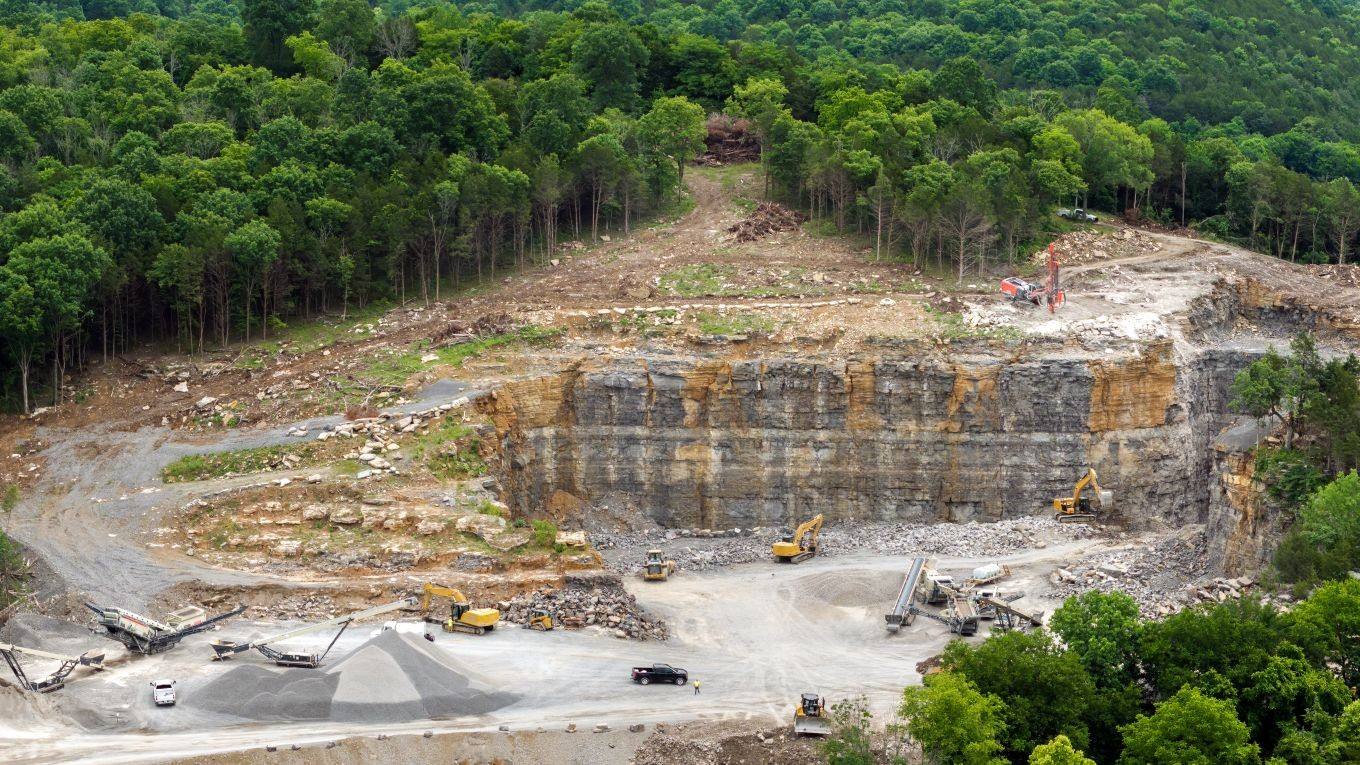


Alle Insights


